
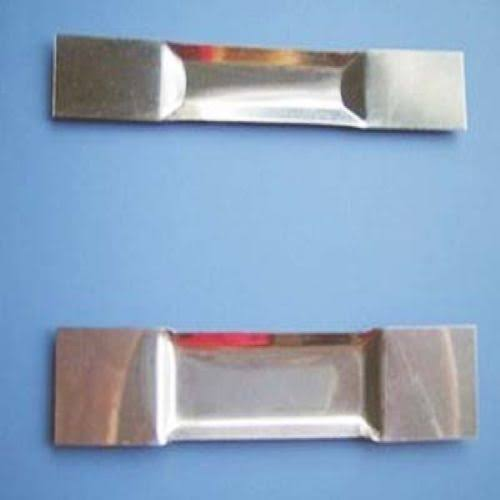
Molybdenum boat is an important component used in various industrial, scientific, and manufacturing processes that require high-temperature resistance and reliable performance. Made from high-purity molybdenum metal, these specialized containers are designed to hold, transport, and process different materials under controlled heating conditions. Their excellent thermal stability, mechanical strength, and resistance to high temperatures make them valuable in industries such as electronics, metallurgy, vacuum coating, semiconductor manufacturing, and laboratory research.
As industrial technologies continue to advance, manufacturers increasingly require materials that can withstand extreme operating conditions without compromising product quality. Molybdenum Boat provide a practical solution for these demanding applications because of their unique physical and chemical properties.
What Is a Molybdenum Boat?
A molybdenum boat is a small container manufactured from molybdenum metal, typically designed with a rectangular, curved, or trough-like shape. It is commonly used as a heating container or evaporation source in high-temperature industrial equipment.
These boats are particularly useful in vacuum evaporation systems, where materials are heated until they evaporate and form thin coatings on different surfaces. The molybdenum boat holds the source material while electrical resistance heating generates the required temperature.
Depending on the application, molybdenum boats are available in different dimensions, thicknesses, shapes, and purity levels. Manufacturers can also produce customized designs to meet specific equipment requirements.
Key Properties of Molybdenum Boats
The performance of a molybdenum boat depends largely on the natural characteristics of molybdenum metal. Several properties make this material suitable for specialized industrial environments.
1. Excellent High-Temperature Resistance
One of the most important advantages of molybdenum is its extremely high melting point of approximately 2,623°C. This property allows molybdenum boats to operate in demanding heating applications where many conventional metals would melt or lose their structural strength.
They are commonly used in vacuum furnaces, thermal evaporation equipment, and other high-temperature processing systems. Their thermal stability supports consistent performance when operating conditions are properly controlled.
2. Strong Mechanical Performance
Molybdenum offers excellent mechanical strength, particularly at elevated temperatures compared with many commonly used metals. This characteristic helps molybdenum boats maintain their shape during repeated heating and cooling cycles.
Their structural stability is especially important in industrial environments where containers must hold materials securely without excessive deformation.
3. Good Thermal Conductivity
Molybdenum has good thermal conductivity, allowing heat to spread efficiently throughout the material. This characteristic helps distribute temperature across the boat and its contents.
Uniform heating can improve evaporation consistency and support better control over manufacturing processes.
4. Low Vapor Pressure
Molybdenum has a relatively low vapor pressure at high temperatures. This makes it useful in vacuum applications where unwanted material evaporation can affect product purity and contaminate processing equipment.
Using a suitable molybdenum boat can help maintain cleaner operating conditions during thermal evaporation and related processes.
Major Applications of Molybdenum Boats
Molybdenum boats are used across several industries because they can perform reliably in specialized heating environments.
1. Vacuum Evaporation and Thin-Film Deposition
One of the most common applications of molybdenum boats is vacuum evaporation. In this process, a source material is placed inside the boat and heated until it evaporates.
The resulting vapor travels through a vacuum chamber and deposits onto a target surface, creating a thin film. This technique is widely used in optical coatings, electronic components, decorative coatings, and research applications.
Molybdenum boats are suitable for certain evaporation materials because of their temperature resistance and relatively low vapor pressure. However, compatibility between the boat material and the evaporation source must always be considered.
2. Semiconductor Manufacturing
The semiconductor industry requires carefully controlled processing environments to produce reliable electronic components. Molybdenum boats can be used in specialized thermal processing and material evaporation applications.
Their ability to withstand high temperatures makes them useful for processes involving controlled heating of metals and other suitable materials.
In semiconductor research and manufacturing, selecting the appropriate heating component is essential for maintaining material quality and minimizing contamination.
3. Metallurgical Processing
Metallurgical laboratories and industrial facilities often work with metals and compounds that require high-temperature treatment. Molybdenum boats provide a convenient container for holding small quantities of materials during specific heating operations.
They can be used in material testing, controlled heating experiments, and selected metal processing applications.
Their resistance to high temperatures makes them a valuable option when ordinary metal containers are unsuitable.
4. Laboratory Research
Scientific laboratories frequently require specialized equipment for analyzing materials under controlled environmental conditions. Molybdenum boats are used in certain thermal analysis, vacuum experiments, and material research applications.
Researchers appreciate their high-temperature capabilities and availability in different sizes and configurations.
5. Electronics and Optical Industries
The electronics and optical industries use thin-film deposition techniques to manufacture specialized components. Molybdenum boats can support the evaporation of compatible source materials used in these processes.
They help provide a stable heating platform for producing coatings used in optical devices, electronic systems, and research-grade components.
Different Types of Molybdenum Boats
Molybdenum boats are available in several designs to accommodate different industrial requirements. Choosing the right type depends on the heating method, source material, operating temperature, and equipment configuration.
Standard Molybdenum Boats
Standard boats are commonly manufactured in rectangular or trough-shaped designs. They are suitable for general laboratory and industrial heating applications.
Custom-Shaped Molybdenum Boats
Custom boats are manufactured according to specific dimensions and equipment requirements. They may feature specialized edges, widths, depths, and thicknesses.
These designs are useful when standard products cannot provide the required fit or material capacity.
Dimpled Molybdenum Boats
Dimpled boats feature a recessed section designed to hold evaporation materials more securely. This shape can help reduce material movement during heating and support convenient loading.
High-Purity Molybdenum Boats
High-purity molybdenum boats are manufactured using carefully selected materials to minimize unwanted impurities. They are particularly useful in applications where contamination control is important.
Benefits of Using Molybdenum Boats
Choosing the right molybdenum boat can provide several advantages for industrial operations.
Long-Term Durability: Their high melting point and mechanical properties support use in demanding thermal environments.
Reliable Heating Performance: Good thermal conductivity helps distribute heat throughout the container.
Vacuum Compatibility: Their low vapor pressure makes molybdenum suitable for many high-vacuum heating applications.
Multiple Design Options: Different shapes and sizes allow manufacturers to select products according to their processing requirements.
Reduced Contamination Risks: Properly selected high-purity molybdenum can help minimize contamination in sensitive applications.
Industrial Versatility: They can be used in various sectors, including electronics, metallurgy, research, and thin-film manufacturing.
How to Choose the Right Molybdenum Boat
Selecting an appropriate molybdenum boat is important for achieving consistent results and extending equipment service life. Buyers should consider several factors before making a purchasing decision.
Material Purity
Material purity is particularly important in applications involving sensitive materials or vacuum processing. Buyers should review the manufacturer’s specifications and request material certification when necessary.
Dimensions and Thickness
The dimensions of the boat should match the heating equipment and material capacity requirements. Thickness also affects mechanical strength, heating behavior, and overall service life.
Operating Temperature
Although molybdenum has an exceptionally high melting point, its practical operating temperature depends on the atmosphere and application. Molybdenum oxidizes readily at elevated temperatures in air, so it is generally used in vacuum or protective atmospheres for high-temperature applications.
Compatibility With Source Materials
Not every material is suitable for use with molybdenum. Chemical reactions, alloy formation, and contamination risks should be evaluated before selecting a boat.
Manufacturing Quality
A well-manufactured boat should have consistent dimensions, smooth surfaces, and suitable structural integrity. Working with an experienced manufacturer can help ensure that the product meets the required specifications.
Maintenance and Proper Handling
Proper handling and maintenance can improve the performance and lifespan of molybdenum boats. These components should be handled carefully to prevent bending, scratches, and unnecessary surface damage.
Before use, the boat should be inspected for cracks, deformation, and contamination. Any remaining material from previous processing should be removed using a cleaning method appropriate for the material and application.
Operators should also avoid sudden temperature changes when possible because thermal cycling can contribute to material stress. Storage in a clean, dry environment helps protect the boat from contamination and unnecessary damage.
Following the equipment manufacturer’s recommendations is essential for achieving safe and consistent operation.
Conclusion
Molybdenum boat is an essential component in many high-temperature industrial and scientific applications. Its excellent melting point, mechanical strength, thermal conductivity, and low vapor pressure make it particularly useful in vacuum evaporation, semiconductor research, metallurgical processing, and thin-film deposition.
By selecting the correct purity, dimensions, thickness, and design, manufacturers can achieve reliable heating performance and support consistent production results. Whether used in laboratory experiments or advanced industrial equipment, a high-quality molybdenum boat offers a dependable solution for specialized thermal processing requirements. As manufacturing technologies continue to develop, molybdenum boats will remain valuable components in industries that depend on precision, temperature stability, and material quality.
