
When companies source machining equipment, they often compare visible specifications first. Size, price, lead time, and model type usually receive the most attention. These points matter, but they do not always reveal how well a workholding solution will perform in real production.
A good sourcing decision should go further than a simple product comparison. Buyers also need to consider repeatability, workflow fit, setup simplicity, and how the holding method will influence daily machining behavior. In many cases, the better supplier choice is not the cheapest one, but the one that supports a more stable process over time.
Price Is Important, but Process Value Matters More
Procurement teams are usually under pressure to control cost, and that is understandable. However, a low purchase price can become expensive if the setup later creates wasted time, repeated adjustments, or lower confidence on the shop floor.
The real value of workholding should be measured by how well it supports production. A more dependable setup can reduce hidden cost in the form of slower changeovers, extra inspection, or inconsistent part loading. These losses may not appear on the quotation, but they appear in daily operations.
This is why buyers should compare process value, not just unit price.
Matching the Product to the Actual Operation
A sourcing decision becomes much stronger when the workholding method is matched to the real type of machining being performed. The needs of a turning operation are not the same as the needs of a milling process.
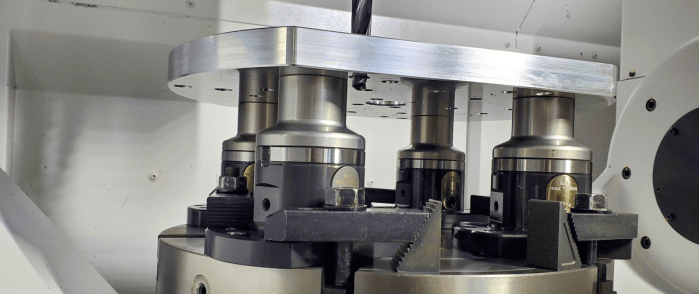
For turning applications, many buyers look for a dependable 3 jaw lathe chuck because they want a practical combination of stable gripping, routine usability, and efficient part loading in everyday shop conditions.
Choosing based on the real operation helps prevent the common mistake of buying a product that looks acceptable on paper but feels inefficient in real use.
Buyers Should Ask How Repeatable the Setup Will Be
One of the most useful sourcing questions is also one of the most overlooked: how repeatable will the setup be once it reaches the machine?
If the holding method depends on too much adjustment or too much operator interpretation, then the product may create more variation than expected. A buyer should think beyond the purchase itself and consider how consistently the setup can be recreated over repeated jobs.
This matters especially in environments where multiple operators or repeated production runs are involved. A more repeatable holding method supports smoother operations and fewer daily corrections.
Positioning Control Matters in Milling Work
In milling environments, strong holding is only one part of the equation. Positioning consistency is just as important because the setup needs to be recreated without introducing unnecessary variation.
That is why many sourcing teams evaluate a self centering vise when the priority is better alignment, balanced loading, and more predictable setup behavior in precision machining applications.
A sourcing decision becomes stronger when it takes this kind of real process requirement into account instead of focusing only on size or clamping force.
Supplier Fit Also Affects Long-Term Results
Sourcing is not only about the product. It is also about whether the supplier fits the long-term needs of the business.
A useful supplier is one that helps the buyer build a more dependable setup strategy, not just close a single order. That may include offering better product fit, clearer selection logic, or solutions that suit different machining environments over time.
For many companies, this becomes especially important as production grows more varied and setup expectations become more demanding.
Better Sourcing Decisions Reduce Hidden Waste
Poor sourcing decisions rarely fail in a dramatic way. More often, they create hidden waste that continues quietly through production. The setup takes slightly longer. The workflow feels less smooth. Operators need more confirmation than expected.
These problems may seem small, but together they reduce the value of the purchase. That is why smarter sourcing should focus on reducing friction, not just reducing invoice cost.
When procurement decisions support the real machining process, they create value beyond the original order.
Conclusion
Sourcing workholding successfully means looking beyond the obvious specifications. Buyers need to consider how the product will behave in daily production, how repeatable the setup will be, and how well the holding method matches the real machining task.
A better buying decision helps create a better process. In the end, strong sourcing is not only about purchasing equipment. It is about choosing the setup foundation the shop will rely on every day.
