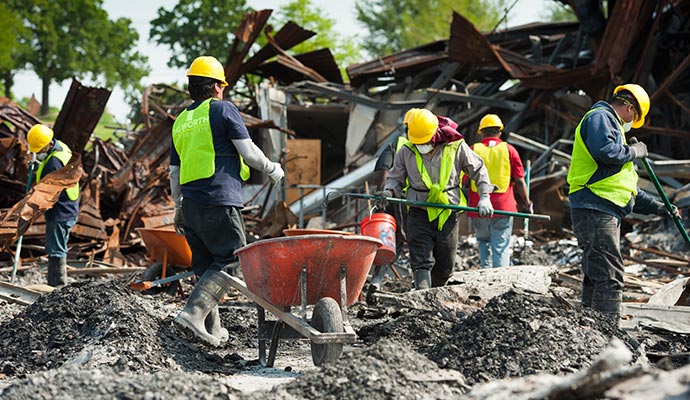

Floods can strike unexpectedly, leaving homeowners with extensive water damage and a long road to recovery. Addressing the aftermath of flooding requires more than just mopping up water and replacing soaked furniture. Proper water restoration is critical to safeguard your home, prevent long-term damage, and ensure the health and safety of your family. This article outlines essential considerations for homeowners facing flood damage and provides guidance on effective water restoration practices.
Understanding the Importance of Immediate Action
Time is a crucial factor when it comes to water restoration. The longer water sits in your home, the greater the risk of structural damage, mold growth, and contamination. Floodwater often carries bacteria, chemicals, and debris, making it potentially hazardous. Homeowners must prioritize quick response to reduce damage and protect both their property and health.
Starting water removal and drying as soon as possible minimizes the chances of rot and structural weakening. Even a few hours can make a difference, especially in areas like walls, flooring, and insulation that are prone to absorbing water quickly. Engaging professional water restoration services immediately after a flood ensures that the process begins efficiently and effectively.
Assessing the Extent of Damage
Before starting any restoration work, it’s important to evaluate the severity of the flood damage. Homeowners should identify areas affected by water and determine the type of water involved. Clean water from rain or broken pipes is less hazardous, while floodwater from rivers, lakes, or storm surges often contains contaminants.
Inspection should cover both visible and hidden areas. Water can seep behind walls, under flooring, and into the foundation, causing damage that is not immediately apparent. Moisture meters and thermal imaging cameras used by professionals can detect hidden water pockets and help plan a comprehensive restoration strategy.
Safety Precautions for Homeowners
Flooded homes pose significant safety risks. Electrical hazards, contaminated water, and structural instability are just a few concerns. Homeowners should avoid entering waterlogged areas until it is safe and ensure the electricity is turned off to prevent electrocution. Wearing protective gear such as gloves, boots, and masks is essential when dealing with floodwater.
In some cases, professional water restoration companies are equipped to handle hazardous conditions that homeowners may not be prepared for. Attempting to clean up heavily contaminated water without proper tools and knowledge can lead to serious health risks.
Removing Water Efficiently
Effective water removal is the first step in the restoration process. Depending on the severity of the flood, homeowners may use pumps, wet/dry vacuums, or hire professionals with specialized equipment. Removing standing water quickly prevents further absorption into walls, flooring, and furniture.
In addition to removing visible water, drying out the property is equally important. Industrial-grade dehumidifiers, air movers, and fans help eliminate residual moisture. Failing to dry the home thoroughly can lead to mold growth within 24 to 48 hours, which can compromise indoor air quality and structural integrity.
Cleaning and Disinfecting
Floodwater often contains bacteria, viruses, and chemicals that can pose health risks. After removing water, thorough cleaning and disinfecting are essential. Surfaces should be scrubbed with appropriate cleaning agents, and porous materials like carpets and insulation may need to be replaced if contaminated.
Professional water restoration companies use EPA-approved disinfectants and specialized techniques to ensure that affected areas are sanitized properly. This step is crucial to protect the health of residents and prevent secondary damage caused by mold, mildew, or chemical residues.
Drying and Dehumidification
Moisture left in walls, floors, and furniture can lead to long-term damage if not addressed properly. Dehumidification is a key part of the water restoration process, helping to remove lingering dampness from hard-to-reach areas.
High-capacity dehumidifiers and air movers accelerate drying and reduce the likelihood of mold infestations. Monitoring moisture levels regularly ensures that the home is completely dry before rebuilding or replacing materials.
Assessing Structural Damage
Flooding can weaken structural elements of a home, including the foundation, walls, and roof. Once water is removed and the property is dried, a thorough inspection of the structural integrity is necessary. Homeowners should look for signs of warping, cracks, or other damage that could compromise the safety of the building.
Professional water restoration services often include structural assessment as part of their process. In some cases, contractors may need to reinforce or replace compromised materials to restore the home safely.
Dealing with Mold and Mildew
Mold can begin growing within 24 to 48 hours of water exposure, making early intervention critical. Even small amounts of lingering moisture can promote mold growth in hidden areas, such as behind walls, under carpets, and in HVAC systems.
Homeowners should monitor for musty odors, discoloration, or visible mold spots. Professional remediation may be necessary to remove mold safely and prevent recurrence. Mold-resistant products and materials can be used during reconstruction to minimize future risks.
Salvaging Personal Belongings
Flooding often damages furniture, electronics, clothing, and personal items. While some items may be unsalvageable, many can be restored with proper cleaning and drying techniques.
Water restoration experts can advise homeowners on which belongings can be saved and apply specialized methods such as freeze-drying documents or ultrasonic cleaning for delicate items. Acting quickly increases the likelihood of successfully salvaging personal possessions.
Insurance and Documentation
Proper documentation of flood damage is essential for insurance claims. Homeowners should take photographs, videos, and written notes of affected areas and items. Detailed records help ensure accurate insurance coverage and streamline the claims process.
Professional water restoration companies often provide documentation and estimates that can support insurance claims. Working with experienced restorers can minimize delays and maximize reimbursement for necessary repairs and replacements.
Choosing the Right Water Restoration Company
Selecting a reliable water restoration company is vital for efficient and safe recovery. Homeowners should look for companies with certifications, experience, and a proven track record in handling flood damage. Prompt response times, advanced equipment, and clear communication are important indicators of quality service.
Local companies familiar with regional flood risks may offer added benefits, including quicker response and knowledge of common structural vulnerabilities in the area. Checking reviews, references, and certifications ensures homeowners are making informed decisions.
Preventing Future Flood Damage
After restoring your home, it’s wise to implement preventive measures to reduce the risk of future flooding. Elevating electrical systems, installing sump pumps, sealing foundation cracks, and improving drainage around the property can help protect your home from future water damage.
Regular maintenance and inspections are also key. Proactive measures combined with an established relationship with a trusted water restoration company can provide peace of mind for homeowners in flood-prone areas.
Conclusion
Flooding is a stressful and potentially hazardous event for homeowners, but prompt and proper water restoration can minimize damage and health risks. Immediate action, thorough cleaning, drying, structural assessment, and mold prevention are essential steps in the recovery process. Working with experienced water restoration professionals ensures that homes are safely and effectively restored, while also providing guidance on salvageable possessions, insurance claims, and future prevention. Understanding these key considerations empowers homeowners to navigate flood recovery with confidence and protect their investment for years to come.
Water restoration is not just about removing water—it’s about restoring safety, stability, and comfort to a home after a disruptive and often overwhelming event.