
Introduction to Injection Mold Technology
Modern manufacturing depends heavily on advanced technologies that improve efficiency, accuracy, and production speed. Among these technologies, injection mold systems have become one of the most important solutions for creating large quantities of high-quality plastic components. From automotive parts and medical devices to consumer products and electronic housings, injection mold technology supports industries by enabling fast and reliable mass production.
The demand for durable, precise, and cost-effective products continues to increase, making advanced manufacturing methods essential. An injection mold allows manufacturers to produce complex shapes with consistent quality while reducing material waste and production costs. This technology has transformed the way businesses approach product development and large-scale manufacturing.
What Is Injection Mold Technology?
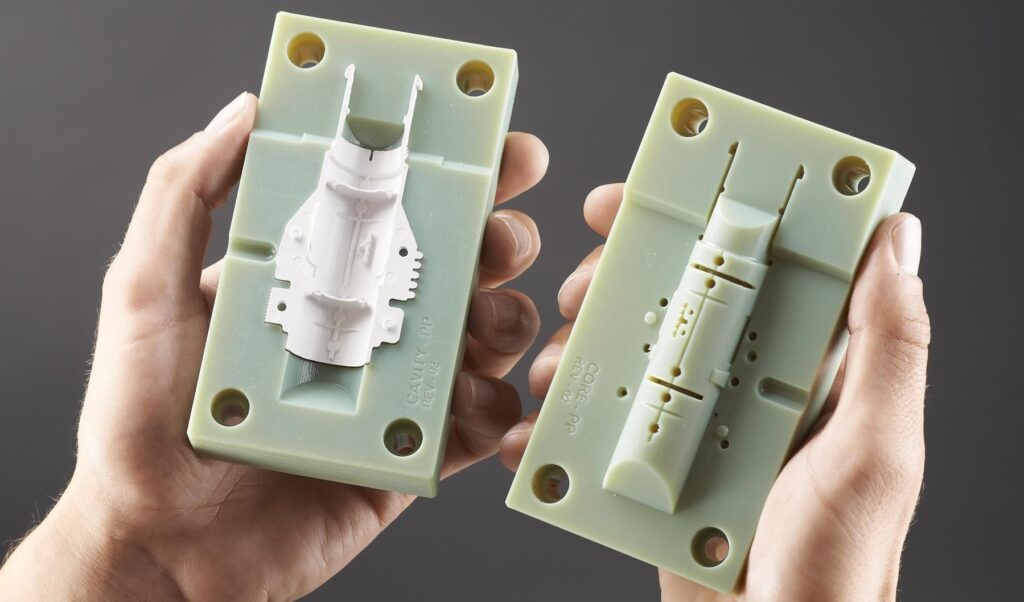
An injection mold is a specially designed tool used in the injection molding process to create plastic parts by injecting melted material into a customized cavity. Once the material cools and solidifies, it takes the exact shape of the mold design. This process can be repeated thousands or even millions of times, making it ideal for mass production.
The design of an injection mold requires careful planning, engineering expertise, and advanced manufacturing techniques. Every detail, including dimensions, surface finish, cooling systems, and material selection, influences the final product quality. Manufacturers use computer-aided design and precision machining equipment to create molds that meet strict production requirements.
Unlike traditional manufacturing methods that may require extensive manual labor, injection molding provides automation and repeatability. This makes it possible to produce large volumes of identical components while maintaining excellent accuracy.
Importance of Injection Mold in Mass Production
Mass production requires manufacturing processes that are fast, consistent, and economical. Injection mold technology meets these requirements by allowing manufacturers to produce thousands of identical products within a short period. The ability to repeat the same process with minimal variation makes injection molding a preferred choice for many industries.
One of the biggest advantages of using an injection mold is improved production efficiency. Once the mold is created and installed, the manufacturing process can operate continuously with limited human involvement. This reduces labor costs and increases overall productivity.
Another important benefit is precision. Many modern products require complex designs with tight tolerances. An injection mold can create detailed components that would be difficult or impossible to manufacture using other methods. This level of accuracy ensures that products function properly and meet customer expectations.
How Injection Mold Technology Supports Different Industries
Injection mold technology plays a major role across multiple industries. In the automotive sector, manufacturers use injection molds to create dashboards, interior panels, lighting components, and various plastic parts. These components must meet strict standards for strength, safety, and appearance.
The electronics industry also relies on injection mold solutions for producing smartphone cases, computer parts, appliance covers, and other precision components. The ability to create lightweight and durable designs makes injection molding highly valuable for electronic products.
In the medical industry, injection mold technology helps produce disposable syringes, laboratory equipment, medical device components, and protective equipment. These applications require exceptional accuracy and cleanliness, making advanced mold manufacturing essential.
Consumer goods companies use injection molds to manufacture toys, kitchen products, packaging materials, and household items. The flexibility of mold design allows companies to create innovative products while maintaining affordable production costs.
The Manufacturing Process of an Injection Mold
Creating an injection mold involves several important stages. The first step is product design, where engineers develop a detailed model based on the required specifications. This design determines the shape, size, and features of the final component.
After the design phase, mold production begins. Skilled manufacturers use advanced CNC machining, electrical discharge machining, and finishing techniques to create the mold cavity. The quality of the mold directly affects the performance and appearance of the final product.
Once the injection mold is completed, it is tested to ensure proper functionality. Manufacturers check factors such as material flow, cooling efficiency, and dimensional accuracy. Testing helps identify potential issues before large-scale production begins.
During production, plastic materials are heated until they become liquid and are injected into the mold cavity under controlled pressure. After cooling, the finished part is removed, and the process continues automatically. This efficient cycle allows companies to achieve high production volumes.
Advantages of Using Injection Mold Technology
There are several reasons why businesses choose injection mold technology for mass production. One major advantage is cost efficiency. Although creating a mold requires an initial investment, the cost per unit decreases significantly when producing large quantities.
Another advantage is design flexibility. Manufacturers can create products with complex geometries, different textures, and detailed features. This allows businesses to develop unique products that stand out in competitive markets.
Injection mold systems also support material efficiency. Modern molds are designed to minimize waste and maximize material usage. This helps reduce production expenses while supporting more sustainable manufacturing practices.
Durability is another key benefit. High-quality molds can withstand repeated production cycles, providing long-term value for manufacturers. Proper maintenance can extend mold life and ensure consistent product quality over time.
Innovations Improving Injection Mold Performance
Technology continues to improve injection mold development and manufacturing. Advanced software, automation, and precision engineering have made molds more efficient and reliable. Computer simulations allow engineers to analyze mold performance before production, reducing errors and development time.
Modern cooling technologies have also improved production speed. Efficient cooling systems reduce cycle times and help maintain consistent product quality. Automated monitoring systems provide real-time information about production conditions, allowing manufacturers to quickly address problems.
The integration of smart manufacturing technologies is further enhancing injection molding processes. Data analysis, robotics, and automated inspection systems help companies achieve higher productivity and better quality control.
Future of Injection Mold Technology in Manufacturing
As industries continue to demand faster production and customized solutions, injection mold technology will remain a critical part of manufacturing. The development of advanced materials, sustainable plastics, and intelligent production systems will continue to expand the capabilities of injection molding.
Manufacturers are increasingly focusing on environmentally friendly solutions, including recyclable materials and energy-efficient processes. Future injection mold innovations will likely support greener manufacturing while maintaining high levels of performance and precision.
The growing demand for consumer products, automotive advancements, healthcare equipment, and electronic devices ensures that injection molding will continue to play an essential role in global production.
Conclusion
Injection mold technology has revolutionized mass production by providing manufacturers with a reliable, efficient, and precise method for creating high-quality products. Its ability to produce complex components quickly and consistently makes it an indispensable solution for various industries.
From reducing production costs to improving product accuracy, the benefits of injection mold systems continue to drive manufacturing growth. As technology advances, injection molding will remain a fundamental process that supports innovation, efficiency, and large-scale production worldwide.
