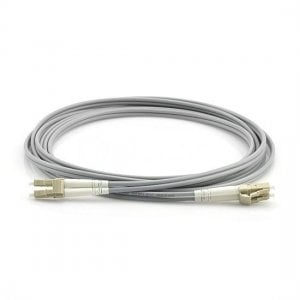

Armored fiber optic cable is widely recognized for its durability and ability to withstand harsh environmental conditions. These cables are essential in industrial environments, outdoor installations, and areas where rodent attacks or mechanical stress may occur. Despite their robust construction, armored fiber optic cable systems can encounter issues that affect performance, signal quality, and overall network reliability. Understanding the common problems and troubleshooting methods is crucial for maintaining uninterrupted communication systems.
Understanding Armored Fiber Optic Cable
Armored fiber optic cables are designed with protective layers surrounding the delicate optical fibers within. Typically, they include a steel or aluminum armor layer, which shields the fibers from physical damage while still maintaining flexibility. This design makes them suitable for direct burial, outdoor runs, and high-risk areas prone to physical impact.
The cables often feature additional protective layers, such as water-blocking materials, jackets resistant to UV radiation, and flame-retardant coatings. While these features enhance durability, they also make troubleshooting slightly more complex compared to standard fiber optic cables.
Common Issues in Armored Fiber Optic Cable Systems
Despite the rugged construction of armored fiber optic cables, several common issues can arise, including signal loss, physical damage, and connector failures. Identifying the root cause of these problems is critical for efficient maintenance.
Signal Attenuation and Loss
One of the most common issues in armored fiber optic cable systems is signal attenuation. Attenuation refers to the reduction in signal strength as it travels through the fiber. Causes of attenuation include bending, physical stress, or poor-quality splicing and connectors.
Excessive bending or sharp bends can cause microbends or macrobends in the fiber, which lead to light leakage and signal loss. In armored fiber optic cables, the armor layer can make the fiber less flexible, increasing the likelihood of bending problems during installation.
Physical Damage to the Cable
Although armored fiber optic cable is designed to resist physical damage, it is not immune to extreme mechanical stress. Cuts, crushing, or rodent damage can compromise the cable’s integrity. Even minor abrasions to the outer jacket can allow moisture to penetrate, leading to signal degradation and fiber corrosion over time.
Direct burial installations are particularly susceptible to physical damage from digging, heavy machinery, or environmental factors such as soil movement. Identifying the exact location of damage often requires the use of specialized tools such as an Optical Time Domain Reflectometer (OTDR).
Connector and Splice Failures
Connectors and splices are critical points in any fiber optic network. In armored fiber optic cable systems, improper handling during termination or splicing can lead to poor connections, resulting in increased insertion loss or even complete signal failure.
Common causes of connector issues include dirt, dust, improper polishing, or misalignment during installation. Armored cables can be more challenging to terminate due to their thickness and rigidity, increasing the chances of mistakes if not handled carefully.
Environmental Factors
Even though armored fiber optic cable is designed for outdoor use, extreme environmental conditions can still cause problems. Excessive heat or cold can affect the cable’s jacket material, potentially leading to cracks or brittleness. Moisture ingress can occur if the cable’s water-blocking layers are compromised, leading to fiber damage and network downtime.
Additionally, exposure to chemicals or corrosive environments may degrade the cable armor, creating long-term reliability issues. Regular inspection and preventive maintenance are essential to detect and mitigate these risks.
Troubleshooting Techniques for Armored Fiber Optic Cables
Addressing problems with armored fiber optic cable systems requires a combination of visual inspection, diagnostic tools, and proper handling techniques.
Visual Inspection
The first step in troubleshooting is a thorough visual inspection of the cable and connectors. Look for visible signs of damage such as cuts, abrasions, kinks, or moisture penetration. Inspect all connection points to ensure that connectors are properly seated and free of dirt or debris.
Armored fiber optic cables may require careful handling to remove the outer armor without damaging the inner fibers. Using proper cable strippers and cutting tools is essential to maintain the integrity of the cable during inspection and repair.
Testing with an OTDR
An Optical Time Domain Reflectometer (OTDR) is an essential tool for diagnosing issues in armored fiber optic cable systems. It can detect breaks, bends, and other faults along the cable by sending a light signal and measuring the reflection at various points.
Using an OTDR allows technicians to pinpoint the exact location of faults, minimizing the need for unnecessary cable digging or replacement. This is especially useful for long outdoor runs where visual inspection alone may not identify the problem.
Cleaning and Maintaining Connectors
Dirty or poorly connected connectors are a common source of signal loss. Cleaning fiber optic connectors with specialized wipes or cleaning solutions can often resolve performance issues.
In armored fiber optic cable systems, proper termination is key. Ensure that connectors are correctly aligned and polished according to manufacturer guidelines. Fiber-mart provides high-quality connectors and termination kits suitable for armored cables, ensuring reliable performance.
Addressing Physical Damage
If the armored fiber optic cable is physically damaged, the affected section may need to be repaired or replaced. For minor outer jacket damage, sealing the area with appropriate protective tape or coatings can prevent moisture ingress.
In cases of severe fiber breakage, fusion splicing may be necessary to restore the connection. Fusion splicing provides a low-loss, permanent repair that maintains the cable’s overall performance. Fiber-mart offers fusion splicing equipment and accessories specifically designed for armored fiber optic cables, making repairs more efficient.
Preventive Measures
Preventive maintenance is essential to minimize issues with armored fiber optic cable systems. Proper installation practices, such as avoiding sharp bends, securing cables in protective conduits, and monitoring environmental conditions, can significantly reduce the likelihood of problems.
Regular inspections and testing with OTDR or power meters can identify minor issues before they escalate into major network failures. Investing in high-quality armored fiber optic cables from reliable suppliers like Fiber-mart ensures durability and long-term performance.
Conclusion
Armored fiber optic cable systems offer superior protection and reliability for challenging environments, but they are not immune to issues. Signal loss, physical damage, connector failures, and environmental factors can all impact network performance.
