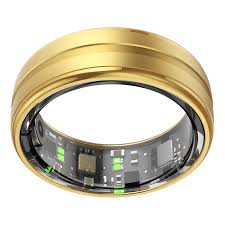

Wearable technology has changed how people monitor their daily activities, track fitness progress, and understand their health habits. Among the most popular options today are smart rings and smartwatches. Both devices offer useful features, including activity tracking, sleep monitoring, and access to personal health data. However, they differ significantly in design, functionality, comfort, and everyday convenience.
Choosing between these two devices depends on your lifestyle, personal preferences, and the features you value most. Some people prefer the simplicity of a smart ring, while others enjoy the interactive capabilities of a smartwatch. Understanding their differences can help you select the wearable device that best suits your needs.
Understanding Smart Rings and Smartwatches
Smart rings are compact electronic devices designed to be worn on a finger. They often include sensors that collect information about sleep patterns, heart rate, daily activity, and other wellness indicators. Their small size makes them convenient for people who want access to personal tracking features without wearing a larger device.
Smartwatches, on the other hand, resemble traditional wristwatches but include digital displays, sensors, and interactive software. Depending on the model, they can provide notifications, fitness tracking, navigation, music controls, and communication features.
Both options offer practical benefits, but their primary purposes can differ. Smart rings generally focus on discreet tracking and convenience, whereas smartwatches combine health monitoring with a broader range of digital tools.
Design and Everyday Comfort
Design is an important consideration when choosing wearable technology because the device needs to fit naturally into your daily routine.
Why Smart Rings Appeal to Minimalists
Smart rings have a compact appearance that resembles ordinary jewelry. They are suitable for people who prefer lightweight accessories and do not want another screen competing for their attention. Their discreet design also makes them easy to incorporate into casual outfits, professional clothing, and everyday activities.
Many users appreciate wearing a smart ring throughout the day and night without the feeling of having a bulky electronic device on their wrist. However, the fit must be comfortable, and users should follow the manufacturer’s guidance about sizing, water exposure, and charging.
The Practical Design of Smartwatches
Smartwatches provide a larger surface for displaying information. Their screens make it easier to read notifications, review activity statistics, and interact with applications. Different watch faces, straps, and case designs also allow users to personalize their appearance.
Nevertheless, their larger size may feel less comfortable for some people, particularly while sleeping or performing certain activities. The best choice depends on whether you prioritize a discreet accessory or a visible, interactive display.
Fitness Tracking and Activity Monitoring
Fitness tracking is one of the main reasons people invest in wearable technology. Smart rings and smartwatches can both support healthier routines by helping users understand their activity levels.
Fitness Features of Smart Rings
Smart rings often track daily movement, sleep duration, heart rate, and other wellness measurements, depending on the model. Their discreet design makes them attractive to users who want to collect information without constantly checking a screen.
Some models also provide insights through a connected smartphone application. Users can review trends over time and identify patterns in their routines, such as changes in sleep schedules or daily activity.
However, smart rings may offer fewer workout-specific tools than advanced sports watches. Their tracking capabilities vary by model, so it is important to check which features are actually supported before purchasing.
Fitness Features of Smartwatches
Smartwatches frequently offer more extensive exercise-tracking options. Depending on the device, these may include workout modes, GPS tracking, step counting, heart-rate monitoring, and performance summaries.
For runners, cyclists, and outdoor enthusiasts, built-in GPS and real-time workout information can be particularly useful. A smartwatch may also make it easier to check exercise duration, pace, and distance during an activity.
People who want detailed workout information may therefore prefer a smartwatch. Those who mainly want convenient daily activity and sleep tracking may find a smart ring more suitable.
Sleep Tracking and Wellness Insights
Sleep is an essential part of overall well-being, and wearable devices can help users understand their nighttime routines.
Smart rings are often designed for continuous wear, making them a convenient option for people who dislike sleeping with a watch. Depending on the model, they may collect information about sleep duration, nighttime heart rate, and estimated sleep stages.
Smartwatches can provide similar information, although comfort varies between users and devices. Some people enjoy reviewing sleep reports on their phones, while others prefer the additional wellness tools available on their watches.
It is important to remember that wearable measurements are estimates rather than medical diagnoses. They can help identify general patterns, but unusual readings or persistent health concerns should be discussed with a qualified healthcare professional.
Notifications and Smart Features
One of the biggest differences between smart rings and smartwatches is how users interact with digital information.
Smartwatches typically feature a touchscreen that allows users to view messages, receive notifications, control music, set alarms, and access compatible applications. Some models support calls, contactless payments, and navigation. These features can make a smartwatch useful for work, travel, and daily organization.
Smart rings usually offer a more limited interactive experience. Depending on the model, they may support selected gestures or other specialized functions, but they generally do not provide the same full-screen experience as a smartwatch.
If you want to reduce distractions and avoid checking your phone frequently, a smart ring may be appealing. If you need quick access to notifications, applications, and digital controls, a smartwatch is likely the more practical choice.
Battery Life and Charging Convenience
Battery performance can influence how enjoyable a wearable device is to use. Both smart rings and smartwatches require regular charging, but their battery life varies according to hardware, software, and usage.
Smart rings may offer several days of use per charge, depending on their design and tracking settings. Their compact size makes charging arrangements an important consideration, so buyers should check the charging method and estimated battery life before making a decision.
Smartwatch battery life varies considerably. Basic models may operate for several days, while feature-rich devices with bright displays, GPS, and frequent notifications may require more frequent charging.
For either device, consider how long it operates between charges and whether its charging routine fits your schedule. A longer battery life can be especially useful when traveling or maintaining consistent overnight tracking.
Price and Overall Value
Budget is another important factor when comparing wearable devices. Smart rings are available at different price points, with costs influenced by materials, sensors, software, and brand positioning. Smartwatches also range from affordable basic models to premium devices with advanced displays and specialized features.
When comparing prices, consider more than the initial purchase cost. Check whether the device requires a subscription to access certain insights, whether replacement chargers are available, and whether it works with your smartphone.
Some smart rings provide useful tracking features without requiring a recurring subscription, but policies vary by manufacturer and product. Review the specific terms before buying.
For shoppers exploring affordable wearable technology, Colmi offers smart ring options worth researching. Visiting colmi.store can help you explore available models, compare specifications, and determine which features match your everyday requirements. Always review the product details to confirm compatibility, battery expectations, and supported tracking functions.
Which Device Is Better for Your Lifestyle?
The right choice depends on how you intend to use your wearable technology.
A smart ring may suit you if you:
- Prefer a small, discreet, and lightweight accessory.
- Want convenient sleep and everyday activity tracking.
- Do not need a screen on your wrist.
- Prefer to review wellness information through a smartphone app.
- Want a wearable device that blends naturally with your usual style.
A smartwatch may be better if you:
- Want detailed workout tracking and, where supported, GPS.
- Frequently check messages and notifications.
- Need quick access to applications and digital controls.
- Prefer viewing statistics directly on your wrist.
- Want multiple features in one interactive device.
Neither option is automatically superior. A smartwatch may provide more functions, but additional features are not necessarily valuable to every user. Similarly, a smart ring’s compact design may be attractive, but it cannot replace every function available on a watch.
Can You Use a Smart Ring and Smartwatch Together?
Some people choose to use both devices because they serve different purposes. A smartwatch can provide workout information and notifications during the day, while a smart ring can offer a discreet way to monitor selected wellness indicators.
However, wearing both devices may involve extra cost, additional charging, and overlapping measurements. Before investing in two wearables, consider whether you genuinely need their combined features.
Compatibility also matters. Some devices can share information with common health platforms, while others operate primarily through their own Colmi applications. Check software compatibility and data-sharing options before combining products.
Conclusion
Smart rings and smartwatches both offer practical ways to explore wearable technology, but they serve different priorities. Smart rings stand out for their compact design, discreet appearance, and convenient everyday tracking. Smartwatches offer larger displays, interactive controls, and broader fitness and communication capabilities.
Before purchasing either device, identify the features that matter most, establish a reasonable budget, and compare battery life, smartphone compatibility, supported measurements, and subscription requirements.
If simplicity and discreet wellness tracking are your main priorities, a smart ring may be the right fit. If you want an interactive companion for exercise, notifications, and daily tasks, a smartwatch may be the better option. By evaluating your habits and expectations, you can choose wearable technology that supports your routine and delivers meaningful everyday value.