
When it comes to road safety, few laws are as important — or as strictly enforced — as the rules surrounding school buses in Ontario. As a driver, failing to stop for a stopped school bus with flashing lights or extended stop arms can result in heavy fines, demerit points, and other serious consequences. Understanding these rules, and learning how to protect yourself from receiving tickets for school bus stop violations, is essential for all motorists on Ontario roads.
Understanding the Law
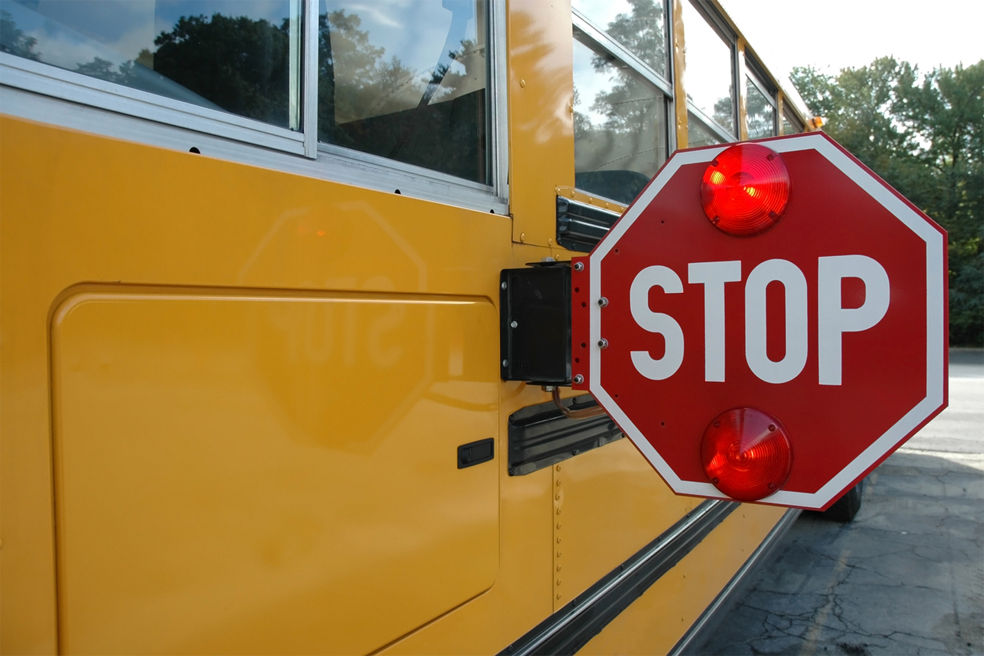
In Ontario, the Highway Traffic Act imposes clear responsibilities on drivers when they encounter a school bus that is stopped to pick up or drop off passengers. School buses display an eight‑lamp warning system: amber lights show that the bus is preparing to stop, and red alternating lights — often accompanied by a stop‑arm sign — indicate that motorists must halt their vehicles.
Under Section 175 of the Highway Traffic Act, drivers must stop in the following situations:
- When approaching a stopped school bus from behind with its red lights flashing;
- When meeting a stopped school bus from the opposite direction with red lights flashing and the stop arm extended, unless the road has a raised median;
- When the bus has activated the stop arm, even if you are traveling in the opposite direction on the same road.
If you see only amber lights flashing, these warn you that the bus is about to stop, and you should slow down and prepare to stop. You are only required to fully stop when the red lights and stop arm are active.
Penalties for School Bus Stop Violations
Failing to observe these rules can result in serious penalties, as it poses a direct risk to the safety of children. According to Ontario law and traffic enforcement resources:
- For a first offence, drivers can be fined between $400 and $2,000 and assessed six demerit points.
- For subsequent offences within five years, fines rise to $1,000 to $4,000 with six demerit points for each offence, and as much as six months in jail is possible.
- If the registered vehicle owner is not the driver at the time of the offence, they can still be held responsible for paying the fine — and they may not be able to renew their vehicle permit until it is paid.
These penalties are not just financial. Accumulating six demerit points can have a major impact on your insurance premiums and driving record. Moreover, novice drivers face especially severe repercussions, including possible license suspensions.
For more detailed information on how failing to stop for a school bus is penalized and what it might mean for you — including defence options if you receive a ticket — check out this resource: https://www.trafficparalegalservices.com/failing-to-stop-for-school-bus/
Why These Rules Are Strict
These traffic laws are not arbitrary. They reflect a societal commitment to protect children — among the most vulnerable road users — during the moments they board and leave a school bus. Children exiting a bus often need to cross the road, and stopping for the bus ensures that drivers in both directions aren’t moving while they do so.
A school bus’s flashing red lights serve as a clear signal that children may be entering or exiting the roadway. Ignoring these signals puts young pedestrians at risk, and that’s why enforcement is rigorous, and why cameras and reporting programs are being introduced to help catch violations.
Common Scenarios and Misunderstandings
Approaching from Behind
If you are driving behind a school bus and it stops with its red lights flashing and stop‑arm extended, your vehicle must come to a complete stop at least 20 metres away and remain stopped until the bus resumes motion and retracts the stop arm.
Approaching from the Opposite Direction
On regular two‑lane roads without a median, vehicles traveling toward the bus from the opposite direction must also stop when the red lights and stop arm are activated. However, if the road has a raised median, vehicles coming from the opposite side may proceed without stopping. A median is a physical barrier like a curb or earth strip separating lanes of traffic going in opposite directions.
Roads with Medians
On highways or roads with physical barriers (medians), only drivers traveling in the same direction as the bus are required to stop. Drivers on the opposite side of a median don’t need to stop, because the median reduces the risk of children crossing.
When Hazard Lights Flash
Sometimes a school bus may flash amber lights or hazard lights before stopping. While amber lights are a warning to slow down and prepare to stop, hazard lights alone do not require you to stop unless they are accompanied by red flashing lights and the stop arm is extended.
Tips to Avoid School Bus Stop Violations
Even experienced drivers can find themselves ticketed if they fail to recognize cues or act promptly. Here are ways to protect yourself from school bus stop violations:
Stay Alert and Anticipate Stops
Always be vigilant when you see a school bus ahead. If you notice amber lights flashing, begin slowing down. Don’t assume the bus won’t stop — red lights and a stop arm may follow within seconds.
Maintain Safe Distance
Keep a safe following distance from school buses. This gives you more time to see the lights change and to respond safely. When stopped behind a bus, make sure you are well back from the bus — at least 20 metres — so other drivers can see you stop too.
Know the Rules for Medians
Understanding the exception for medians can help you avoid unnecessary stops, but also avoid risky assumptions. Only proceed if a clear, physical median separates your direction of travel from the bus.
Watch for Children Crossing
Children may cross the street after disembarking the bus. Always wait until the lights stop flashing and the stop arm retracts before moving forward. Never try to drive around a stopped bus to “get through faster.”
Avoid Distractions
Distracted driving — including phone use or fiddling with in‑car systems — can prevent you from noticing school buses in time. Keeping your focus on the road is not just good practice — it can save you from a costly ticket.
Use Defensive Driving Techniques
Smooth braking, scanning ahead, and anticipating the actions of other motorists can reduce your risk of violations. Defensive driving also means preparing to stop even if traffic behind you is impatient.
What to Do If You Receive a Ticket
If you receive a failing to stop for a school bus ticket in Ontario, don’t ignore it. Failing to respond can lead to further penalties. You have options: you can pay the ticket, or you may choose to challenge it — ideally with professional guidance. Traffic paralegals and lawyers can advise you on potential defences, court procedures, and the best course of action based on your situation.
Resources like https://www.trafficparalegalservices.com/failing-to-stop-for-school-bus/ can help explain your rights and options if you find yourself facing such a ticket.
Conclusion
School bus stop violations are taken extremely seriously in Ontario due to the high risk posed to children’s safety. Understanding the rules — when you must stop, what the penalties are, and how to avoid violations — is pivotal for all drivers. Staying alert, obeying posted signals, and applying defensive driving habits will protect you from tickets and, more importantly, help make Ontario’s roads safer for everyone — especially our children.
