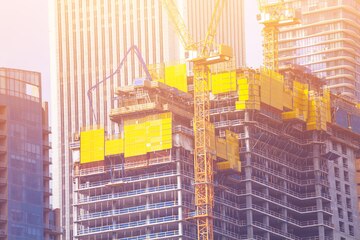

Modular construction has rapidly emerged as a game-changing approach in the construction industry, offering faster timelines, reduced costs, and enhanced quality control. Unlike traditional construction methods that rely on sequential building processes on-site, modular construction involves prefabricating components in a factory setting and assembling them on location. This method not only streamlines the construction process but also addresses many of the challenges faced by modern urban development, making it an increasingly popular choice among developers and town planner.
Understanding Modular Construction
Modular construction refers to the practice of constructing buildings using pre-manufactured modules or sections. These modules are typically built in controlled factory environments, allowing for precise engineering, quality assurance, and adherence to building codes. Once completed, the modules are transported to the construction site and assembled quickly, often in a matter of days or weeks rather than months. This approach has revolutionized how residential, commercial, and institutional buildings are designed and built.
One of the key benefits of modular construction is its ability to maintain high-quality standards. Factory conditions minimize exposure to weather-related damage, material waste, and construction errors, which are common in traditional on-site building. Town planners increasingly recognize the value of modular construction in urban projects because it aligns with sustainability goals and efficient land use strategies.
Speed and Efficiency
Time efficiency is one of the most significant advantages of modular construction. Traditional construction requires multiple stages to be completed sequentially, often leading to delays due to weather, labor shortages, or logistical challenges. In contrast, modular components can be fabricated simultaneously while site preparation occurs, cutting overall project timelines dramatically.
For developers working with town planners to implement new residential or commercial zones, this speed is particularly appealing. Faster construction translates to quicker occupancy and revenue generation while minimizing disruptions to the surrounding community. Moreover, modular construction allows for predictable scheduling, which is invaluable in densely populated areas where traditional construction might face bureaucratic or environmental obstacles.
Cost-Effectiveness
Modular construction can significantly reduce costs without compromising quality. By manufacturing components in a controlled factory, economies of scale are achieved through bulk purchasing of materials and efficient use of labor. Additionally, reduced construction timelines mean lower financing costs, less on-site supervision, and minimized waste.
For town planners involved in large-scale urban development, modular construction offers a way to provide affordable housing or commercial spaces while staying within budget constraints. These savings can be redirected into infrastructure, public amenities, or sustainable initiatives, enhancing the overall value of urban projects.
Sustainability in Modular Construction
Sustainability is at the forefront of modern construction practices, and modular construction aligns well with this priority. Factory-controlled fabrication results in reduced material waste and energy consumption. Modular buildings can also incorporate green technologies, such as energy-efficient HVAC systems, solar panels, and sustainable building materials.
Town planners appreciate that modular construction supports eco-friendly urban development. Projects can achieve lower carbon footprints and comply with stricter environmental regulations more easily than traditional construction. Moreover, modular structures are often designed for disassembly, meaning components can be reused or recycled at the end of a building’s life cycle, promoting a circular economy.
Flexibility and Customization
Another advantage of modular construction is its flexibility. Modules can be designed to suit various architectural styles, building functions, and spatial requirements. Developers can work closely with architects and town planners to create layouts that maximize space efficiency, aesthetics, and functionality.
This flexibility also allows for phased construction, where additional modules can be added over time as demand grows. For example, schools, hospitals, or residential complexes can expand without significant disruption to existing operations, making modular construction a practical solution for urban areas where space is limited.
Quality Control and Safety
Quality control is inherently higher in modular construction compared to traditional methods. Factory environments ensure strict adherence to building codes, structural standards, and safety protocols. Each module undergoes rigorous inspections before leaving the factory, reducing the likelihood of defects, rework, or post-construction maintenance issues.
Safety is another critical benefit. On-site construction carries inherent risks for workers, from falls to exposure to hazardous materials. By moving a large portion of construction to a controlled factory environment, these risks are minimized, promoting safer working conditions for construction teams. Town planners often consider worker safety and community impact when evaluating large-scale projects, and modular construction addresses both concerns effectively.
Integration with Town Planning
Town planners play a crucial role in integrating modular construction into urban development. By collaborating with developers, planners can ensure that modular projects align with zoning regulations, infrastructure capabilities, and community needs. The rapid construction timelines of modular buildings allow town planners to implement housing or commercial solutions quickly in response to urban population growth or economic demand.
Modular construction also supports mixed-use developments, where residential, commercial, and recreational spaces coexist. Town planners can design neighborhoods with modular buildings that maintain aesthetic harmony, encourage walkability, and enhance community engagement. This integration promotes smarter urban growth and maximizes the potential of limited land resources.
Challenges and Considerations
While modular construction offers numerous advantages, it is not without challenges. Transportation of large modules to sites can be complex, requiring careful planning and coordination. Additionally, initial setup costs for factories and specialized equipment may be high, although these are often offset by long-term savings.
Town planners and developers must also consider regulatory frameworks, as some regions may have building codes and permitting processes not fully adapted to modular construction. Collaboration between engineers, architects, and planners is essential to overcome these hurdles and ensure smooth project execution.
The Future of Modular Construction
The future of modular construction looks promising, especially as urban populations grow and the demand for sustainable, cost-effective, and high-quality buildings increases. Technological advancements, including 3D printing, smart materials, and automation, are further enhancing the capabilities of modular construction.
For town planners, modular construction represents a strategic tool to address housing shortages, support rapid urbanization, and implement environmentally responsible development. As the construction industry continues to embrace modular methods, communities are likely to see faster, safer, and more innovative buildings that meet the evolving needs of modern society.
Conclusion
Modular construction is transforming the construction landscape by offering speed, cost savings, sustainability, and high-quality outcomes. By prefabricating modules in controlled environments and assembling them efficiently on-site, developers and town planners can deliver projects that are both practical and aesthetically pleasing.
As urban areas face increasing pressure to accommodate growing populations, modular construction provides a viable solution that balances efficiency with quality. With continued innovation and strategic planning, modular construction is poised to become a cornerstone of modern urban development, enabling communities to thrive while minimizing environmental impact and construction risks.
By understanding the potential of modular construction and collaborating closely with town planners, developers can unlock a future where building faster no longer means compromising on quality, sustainability, or community well-being.
