
The Rising Importance of Heat Pump Technology in Modern HVAC Systems
In today’s rapidly evolving heating and cooling industry, energy efficiency and environmental responsibility have become top priorities. This shift has placed heat pumps manufacturers at the center of global HVAC innovation. These companies are no longer just equipment producers; they are technology leaders developing advanced systems that reduce carbon emissions, lower energy consumption, and improve indoor comfort.
Heat pumps work by transferring heat rather than generating it, making them significantly more efficient than traditional heating systems. As governments worldwide push for net-zero emissions and stricter energy standards, demand for these systems continues to grow. This demand has encouraged heat pumps manufacturers to invest heavily in research, smart technology integration, and next-generation refrigerants.
How Heat Pumps Manufacturers Are Driving Innovation
Modern heat pumps manufacturers are reshaping the HVAC industry through continuous innovation. One of the most important developments is the integration of inverter technology. This allows heat pumps to adjust their output based on real-time temperature needs, reducing energy waste and improving efficiency.
Another major innovation is the use of eco-friendly refrigerants. Older refrigerants contributed significantly to global warming, but today’s manufacturers are shifting toward low-GWP (Global Warming Potential) alternatives. This change not only meets environmental regulations but also improves system performance and safety.
Additionally, smart controls and IoT-enabled systems are becoming standard. Homeowners and commercial users can now control heating and cooling remotely through mobile apps. This level of automation is a direct result of how heat pumps manufacturers are blending HVAC engineering with digital technology.
Global Expansion and Competition Among Heat Pumps Manufacturers
The global HVAC market is highly competitive, and heat pumps manufacturers from different regions are playing a major role in shaping industry trends. Companies in Europe, China, Japan, and North America are leading production and exporting advanced systems worldwide.
Chinese heat pumps manufacturers, in particular, have become dominant in terms of production scale and cost efficiency. They supply a large portion of residential and commercial systems globally, making HVAC technology more accessible in emerging markets. Meanwhile, European manufacturers are focusing on high-efficiency and eco-compliant systems that meet strict environmental regulations.
Japanese manufacturers are known for precision engineering and long-lasting systems, while American companies are investing in smart home integration and cold-climate performance. This global competition pushes every heat pumps manufacturers brand to continuously improve quality, efficiency, and affordability.
Technological Advancements in Residential and Commercial Systems
One of the biggest areas of growth for heat pumps manufacturers is residential HVAC systems. Homeowners are increasingly switching from gas and electric heating to heat pumps due to lower energy bills and reduced environmental impact. Modern residential systems are quieter, more compact, and more efficient than ever before.
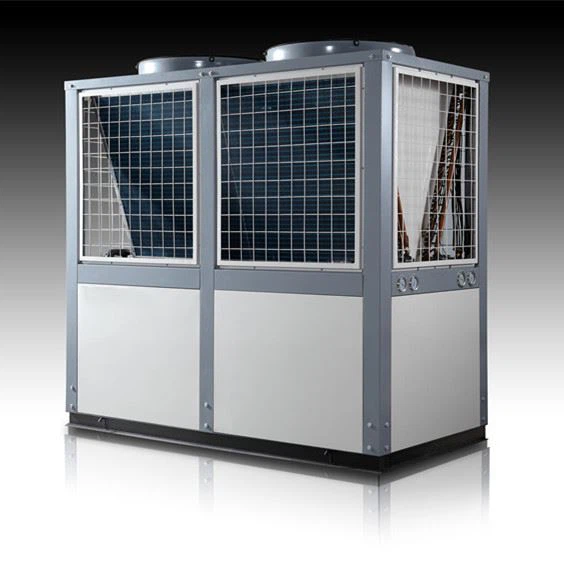
In the commercial sector, large-scale heat pump systems are being used in offices, hotels, hospitals, and industrial facilities. These systems are designed to handle complex heating and cooling demands while maintaining high efficiency. Advanced zoning systems allow different areas of a building to be controlled independently, improving comfort and reducing wasted energy.
Heat pumps manufacturers are also developing hybrid systems that combine heat pumps with traditional boilers. This ensures reliable performance even in extreme weather conditions, making them suitable for a wider range of climates.
Sustainability and Environmental Impact
Sustainability is one of the strongest driving forces behind the growth of heat pumps manufacturers. As climate change concerns increase, governments are introducing incentives and subsidies for energy-efficient heating solutions. Heat pumps are seen as a key technology in reducing reliance on fossil fuels.
Manufacturers are focusing on reducing the carbon footprint of both production and operation. Factories are adopting renewable energy sources, recycling materials, and improving manufacturing efficiency. At the same time, product designs are optimized to use less electricity while delivering higher performance.
Another important factor is lifecycle sustainability. Heat pumps manufacturers are designing systems that last longer and require less maintenance, reducing waste and overall environmental impact. This long-term approach aligns with global sustainability goals.
Challenges Faced by Heat Pumps Manufacturers
Despite strong growth, heat pumps manufacturers face several challenges. One of the biggest is the high initial cost of installation. Although heat pumps save money in the long run, the upfront investment can discourage some consumers.
Another challenge is performance in extremely cold climates. While modern systems have improved significantly, maintaining efficiency in sub-zero temperatures remains a technical hurdle. Manufacturers are actively working on cold-climate heat pumps with enhanced compressors and defrosting systems.
Supply chain disruptions and raw material shortages also affect production. As demand increases globally, ensuring consistent quality and timely delivery becomes more difficult. Heat pumps manufacturers must balance scalability with quality control to maintain market trust.
The Future of Heat Pumps Manufacturers in HVAC Technology
The future looks promising for heat pumps manufacturers as the world transitions toward cleaner energy solutions. One of the key trends is full electrification of heating systems. Many countries are planning to phase out gas boilers entirely, increasing reliance on heat pump technology.
Artificial intelligence is also expected to play a major role. Future systems may use AI to predict heating and cooling needs based on user behavior and weather patterns. This will further increase efficiency and reduce energy consumption.
Another emerging trend is the development of ultra-quiet systems and compact designs suitable for urban environments. As cities become more crowded, space-saving and noise-reducing technologies will become increasingly important.
Heat pumps manufacturers are also expected to expand into integrated energy systems. These systems will combine solar power, battery storage, and heat pumps into a single smart energy ecosystem, offering complete energy independence for homes and businesses.
Conclusion: The Role of Heat Pumps Manufacturers in a Sustainable Future
Heat pumps manufacturers are playing a critical role in transforming the HVAC industry. Through innovation, sustainability efforts, and advanced engineering, they are creating systems that are not only efficient but also environmentally responsible.
As global demand continues to rise, these manufacturers will remain at the forefront of energy technology. Their work is shaping a future where heating and cooling are cleaner, smarter, and more sustainable, making heat pumps a cornerstone of modern building design and environmental progress.
