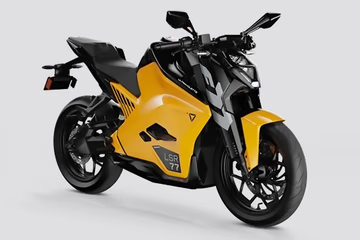

The rise of electric mobility has brought many choices to the market, but two of the most popular options today are the electric bike and the electric scooter. Both promise eco-friendly travel, reduced commuting costs, and convenience, yet each comes with unique advantages and limitations. For anyone looking to invest in personal electric transport, understanding the differences is crucial. This article dives into a detailed comparison, exploring performance, cost, comfort, and overall suitability, with a special focus on the electric bike.
Understanding the Basics
Electric bikes, often referred to as e-bikes, combine traditional pedal power with electric assistance. They allow riders to switch between full manual pedaling and electric assistance, depending on their preference. On the other hand, electric scooters rely primarily on an electric motor for movement and usually do not require pedaling. This fundamental difference shapes how each vehicle is used, how it performs, and the experience it offers.
Performance and Speed
When it comes to speed, electric scooters often have an edge in urban commuting. They are designed for short trips, allowing quick acceleration and easy maneuvering in traffic. Many scooters reach speeds of 15 to 30 miles per hour, which is sufficient for city roads and crowded areas. However, electric bikes provide a unique advantage for longer rides. With pedal assistance, riders can achieve higher top speeds over extended distances without draining the battery quickly. This makes the electric bike more versatile for suburban or mixed-terrain journeys.
Range and Battery Life
Battery life is another critical factor to consider. Electric scooters typically have smaller batteries due to their compact design. This limits their range to around 15 to 25 miles on a single charge. For short urban commutes, this is generally adequate. The electric bike, however, often comes with larger batteries and the option to pedal manually, extending its range significantly. Many electric bikes can cover 40 to 60 miles or more, making them better suited for longer trips or daily commuting where charging opportunities may be limited.
Comfort and Ride Quality
Comfort plays a vital role in the riding experience. Electric scooters usually have smaller wheels and a standing platform, which can result in a rough ride on uneven streets. They are lightweight and portable, which is excellent for carrying them into buildings or storing them, but long journeys might not be as comfortable. The electric bike shines in this category due to larger wheels, adjustable seats, and the ability to absorb shocks better. Riders can enjoy a smoother experience, making the electric bike ideal for those who value comfort on longer rides.
Portability and Storage
Portability is where electric scooters have a clear advantage. Most models are foldable and lightweight, allowing users to carry them on public transport or store them in small apartments. Electric bikes, although lighter than traditional bikes, are still bulkier and require more storage space. For people living in compact urban environments or needing a multi-modal commute, the scooter can be more convenient. However, recent innovations in foldable electric bikes are starting to bridge this gap.
Cost Considerations
Price is always a decisive factor. Electric scooters generally come with a lower upfront cost compared to electric bikes. Entry-level scooters can be found at affordable prices, making them accessible for students or casual commuters. Electric bikes, especially those with advanced battery systems and high-quality components, tend to be more expensive. However, the investment in an electric bike often translates to durability, longer range, and a more versatile riding experience, which can justify the higher price in the long run.
Safety and Regulations
Safety regulations also differ between the two vehicles. Electric scooters are often limited by law to lower speeds and specific road areas in many cities. Riders usually must be mindful of pedestrian zones and may require a helmet depending on local regulations. Electric bikes, being closer to traditional bicycles, generally follow standard bike laws. This can offer more flexibility on roads, bike lanes, and trails. Additionally, the stability of an electric bike, due to its larger frame and tires, often makes it safer in adverse conditions or at higher speeds.
Environmental Impact
Both electric scooters and electric bikes offer a green alternative to gas-powered vehicles. They reduce carbon emissions and help cut down urban congestion. The electric bike may have a slight edge environmentally because its longer lifespan and larger battery capacity can reduce the frequency of battery replacements. Moreover, the option to pedal manually means it can sometimes operate without electricity, conserving energy entirely.
Maintenance and Durability
Maintenance is another point of comparison. Electric scooters, with fewer moving parts, generally require less frequent maintenance. However, their lightweight frames and smaller wheels may be more prone to wear and tear, particularly if used on rough terrain. Electric bikes require regular checks for chain, brakes, and battery health but tend to be more durable overall. The robustness of an electric bike ensures it can withstand heavier usage and rougher conditions, making it a more long-term solution for serious commuters.
Versatility and Use Cases
The choice between an electric bike and an electric scooter ultimately comes down to lifestyle and intended use. Electric scooters excel in short, urban trips where portability is key. They are perfect for city dwellers navigating crowded streets or commuters integrating with public transport. Electric bikes, on the other hand, are better suited for longer commutes, mixed-terrain adventures, and those seeking a comfortable, versatile, and sustainable option. They provide more flexibility for exercising, carrying cargo, and handling varied road conditions.
Final Verdict
Both electric bikes and electric scooters have their strengths, and neither is inherently superior in every scenario. However, when considering overall performance, comfort, range, safety, and long-term value, the electric bike often comes out ahead. Its versatility, ability to cover longer distances, and more comfortable ride make it a compelling choice for those who want more than just short urban trips. While electric scooters are convenient, lightweight, and budget-friendly, the electric bike provides a more complete and enduring solution for personal electric mobility.
In conclusion, the choice depends on individual priorities. For quick, short-distance commutes with portability in mind, an electric scooter can be ideal. For longer distances, durability, and a comfortable riding experience, the electric bike clearly takes the lead. Investing in an electric bike is not just a purchase; it’s an investment in a versatile, eco-friendly, and enjoyable way to move through urban and suburban environments. For anyone serious about personal electric transport, the electric bike is hard to beat.