Hair loss is a common concern affecting millions of men and women worldwide. Whether it starts as mild thinning or progresses into noticeable baldness, hair loss can impact confidence and overall well-being. Fortunately, modern science and medicine offer a wide range of hair loss treatments that are proven to slow hair fall, promote regrowth, and restore healthier hair. Understanding these options is the first step toward choosing the right solution for your needs.
Understanding Hair Loss and Its Causes
Hair loss does not happen overnight. It usually develops gradually and can be triggered by several factors.
Genetic Hair Loss
The most common cause of hair loss is androgenetic alopecia, also known as male or female pattern baldness. This condition is hereditary and occurs when hair follicles shrink over time due to sensitivity to hormones, leading to thinner hair and eventual hair loss.
Hormonal Changes
Hormonal imbalances caused by pregnancy, menopause, thyroid disorders, or medical conditions can lead to temporary or long-term hair thinning. In such cases, addressing the underlying hormonal issue is essential for effective hair regrowth.
Lifestyle and Environmental Factors
Stress, poor nutrition, smoking, lack of sleep, and exposure to pollution can weaken hair follicles. These factors often accelerate hair shedding and reduce the effectiveness of natural hair growth cycles.
Medical Conditions and Medications
Certain illnesses such as alopecia areata, scalp infections, and autoimmune disorders can cause hair loss. Additionally, medications for cancer, arthritis, depression, and high blood pressure may contribute to excessive hair fall.
Top Hair Loss Treatments That Actually Work
Thanks to advancements in dermatology and cosmetic medicine, several hair loss treatments have been clinically proven to deliver results.
Topical Treatments for Hair Regrowth
Topical solutions are among the most widely used hair loss treatments due to their ease of application and effectiveness.
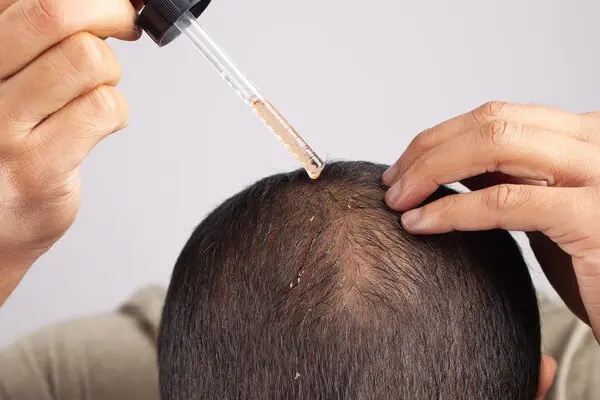
Minoxidil is a popular FDA-approved treatment available in liquid or foam form. It works by increasing blood flow to the scalp, stimulating hair follicles, and prolonging the growth phase of hair. Consistent use can slow hair loss and encourage regrowth, especially in the early stages of thinning.
Oral Medications for Hair Loss
Oral treatments target hair loss at a hormonal level and are commonly prescribed by medical professionals.
Finasteride is an oral medication that reduces the hormone responsible for shrinking hair follicles. It is especially effective for men experiencing pattern baldness. While results may take several months, many users notice reduced shedding and thicker hair over time.
Advanced Clinical Hair Loss Treatments
For individuals seeking more intensive solutions, clinical treatments offer promising results.
Platelet-Rich Plasma Therapy
PRP therapy involves drawing a small amount of blood, processing it to extract growth factors, and injecting it into the scalp. These growth factors stimulate dormant hair follicles and improve hair thickness. PRP is a natural treatment with minimal downtime and is increasingly popular for treating thinning hair.
Low-Level Laser Therapy
Laser therapy uses low-energy light to stimulate hair follicles and increase cellular activity in the scalp. It is a painless, non-invasive option that can improve hair density when used consistently over time.
Hair Transplant Surgery
Hair transplantation is one of the most permanent hair loss treatments available today. The procedure involves relocating healthy hair follicles from donor areas to thinning or bald regions.
Modern techniques such as Follicular Unit Extraction and Follicular Unit Transplantation provide natural-looking results with minimal scarring. While this option requires a higher investment, it offers long-term and often lifelong results.
Natural and Lifestyle-Based Hair Loss Solutions
While medical treatments are effective, combining them with healthy habits can significantly enhance results.
Nutrition for Healthy Hair Growth
Hair needs essential nutrients such as protein, iron, zinc, biotin, and vitamins A, C, D, and E. A balanced diet rich in lean meats, eggs, leafy greens, nuts, seeds, and fruits supports stronger hair growth and reduces breakage.
Scalp Care and Hair Hygiene
Maintaining a clean and healthy scalp is crucial for hair regrowth. Regular washing with gentle shampoos, scalp massages to boost circulation, and avoiding harsh chemical treatments can improve overall hair health.
Stress Management
Chronic stress can push hair follicles into a resting phase, leading to excessive shedding. Practices such as exercise, meditation, yoga, and adequate sleep help regulate stress hormones and support healthy hair cycles.
Choosing the Right Hair Loss Treatment
Selecting the most effective hair loss treatments depends on several factors, including the cause of hair loss, age, gender, and severity of thinning.
Early intervention often delivers the best results. Consulting a dermatologist or hair restoration specialist allows for an accurate diagnosis and a personalized treatment plan. Many individuals achieve optimal outcomes by combining topical solutions, medications, and lifestyle changes.
What to Expect from Hair Loss Treatments
Patience is key when undergoing hair loss treatments. Most solutions require consistent use for three to six months before noticeable improvements appear. Initial shedding can occur with some treatments, but this is often a sign that new, healthier hair growth is beginning.
Results vary from person to person, and no single treatment works the same for everyone. However, with the right approach, most people can significantly slow hair loss and improve hair density.
Final Thoughts on Treating Thinning Hair and Baldness
Hair loss can feel overwhelming, but modern hair loss treatments offer real hope. From topical solutions and oral medications to advanced therapies and surgical options, there are proven ways to restore confidence and achieve healthier hair.
Understanding your hair loss type, acting early, and committing to a consistent treatment plan are the most important steps toward success. With the right combination of medical care and lifestyle adjustments, thinning hair and baldness no longer have to be permanent challenges.