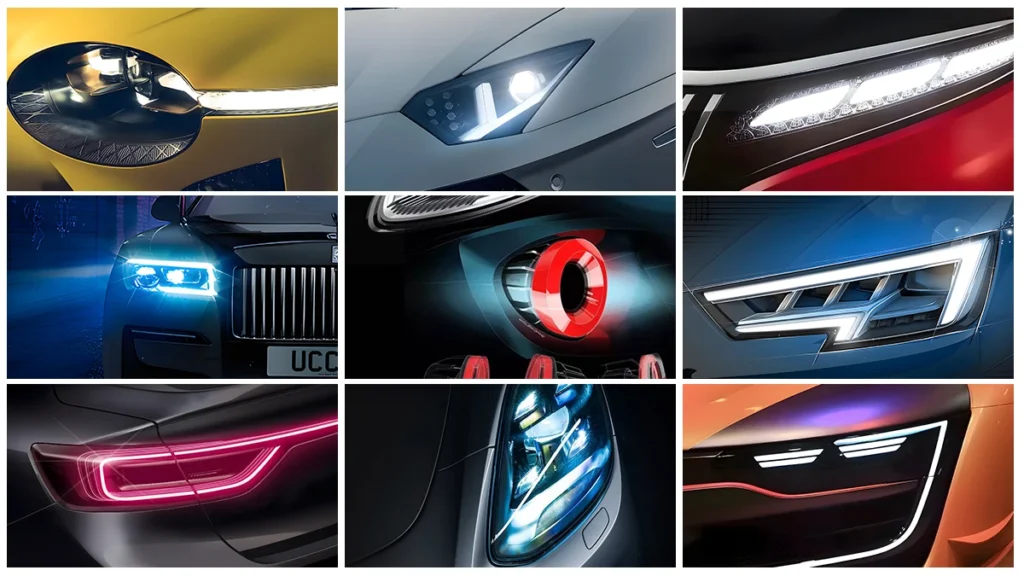

Automotive lighting has evolved tremendously over the past few decades, transforming from simple halogen lamps to sophisticated LED, laser, and adaptive lighting systems. As vehicles become increasingly intelligent, so too do their lighting systems. These innovations are not only enhancing aesthetics but are also revolutionizing safety, efficiency, and driving experience. Automotive lighting manufacturers are leading the charge in developing technologies that will define the next generation of vehicle illumination. Understanding these trends is essential for drivers, designers, and enthusiasts who want to keep pace with the future of automotive lighting.
The Evolution of Automotive Lighting
The journey of automotive lighting has been one of continuous improvement. Early vehicles relied on acetylene lamps, which were replaced by incandescent bulbs in the early 20th century. These basic lights were primarily designed to illuminate the road, with little consideration for energy efficiency or longevity. The introduction of halogen bulbs in the 1960s offered brighter light and longer life, setting the stage for more advanced systems.
The real revolution began with the advent of Light Emitting Diode (LED) technology. LEDs consume less energy, provide brighter and more focused illumination, and have a longer lifespan compared to traditional bulbs. Their compact size allows for more creative designs, enabling automotive lighting manufacturers to create intricate headlight and taillight assemblies that enhance both functionality and style.
Laser headlights represent another breakthrough. Though currently limited to high-end models, laser technology offers unparalleled brightness and range, making nighttime driving safer. As costs decrease, these systems are expected to become more common across mainstream vehicles.
Intelligent and Adaptive Lighting Systems
One of the most exciting trends in automotive lighting is the integration of intelligence into lighting systems. Adaptive lighting adjusts the direction and intensity of headlights based on driving conditions, speed, and steering input. This not only improves visibility on winding roads but also reduces glare for other drivers, enhancing overall safety.
Matrix LED and Digital Light systems take adaptive lighting a step further. These systems use hundreds of tiny LED segments that can be individually controlled to create precise lighting patterns. For example, they can illuminate pedestrians or obstacles without blinding oncoming traffic. Automotive lighting manufacturers are investing heavily in these technologies, as they represent the next frontier in vehicle safety and performance.
Integration with Autonomous Driving
As autonomous driving becomes a reality, automotive lighting will play a critical role in communication between vehicles and pedestrians. Future vehicles may use external lighting systems to signal intent, such as braking, turning, or yielding to pedestrians. This concept, often referred to as “vehicle-to-pedestrian” communication, could significantly reduce accidents in urban environments.
Additionally, autonomous vehicles rely on sensors like LiDAR and cameras to navigate. Lighting systems will need to complement these sensors by providing consistent and glare-free illumination that doesn’t interfere with sensor performance. Automotive lighting manufacturers are exploring smart lighting solutions that integrate seamlessly with autonomous vehicle technologies, ensuring safety and functionality in all conditions.
Energy Efficiency and Sustainability
Environmental concerns are pushing automotive lighting towards greater energy efficiency. LEDs and laser lights are already more efficient than traditional halogen bulbs, but the industry continues to innovate. Future systems may incorporate organic LEDs (OLEDs) or hybrid lighting technologies that consume even less power while providing superior illumination.
Sustainability also extends to the manufacturing process. Automotive lighting manufacturers are adopting eco-friendly materials and production techniques to reduce waste and carbon emissions. Recyclable components, longer-lasting bulbs, and energy-efficient production methods are becoming standard, reflecting the automotive industry’s commitment to environmental responsibility.
Design and Aesthetic Innovations
Lighting is no longer just a functional component of a vehicle; it has become a key element of automotive design. Customizable LED strips, dynamic turn signals, and intricate light patterns allow manufacturers to create distinctive vehicle identities. Future innovations may include color-changing lights or programmable patterns that respond to driving modes or environmental conditions.
Automotive lighting manufacturers are collaborating closely with designers to develop lighting systems that enhance brand identity while meeting regulatory requirements. These innovations are not only visually appealing but also improve visibility, making vehicles safer on the road.
Smart Connectivity and IoT Integration
The future of automotive lighting is closely tied to smart connectivity. Connected vehicles can share information with other cars and infrastructure, and lighting can play a role in this communication. For example, headlights could adjust automatically based on traffic data or weather conditions received through vehicle-to-everything (V2X) networks.
IoT-enabled lighting systems could also enhance driver convenience. Imagine headlights that learn your preferred brightness levels, adjust to different terrains, or even notify you when a bulb needs replacement. Automotive lighting manufacturers are exploring these possibilities, creating systems that are intelligent, adaptive, and seamlessly integrated into the digital ecosystem of modern vehicles.
Challenges and Considerations
While the future of automotive lighting is promising, it comes with challenges. High-tech lighting systems can be expensive, making them less accessible to budget-conscious consumers. Ensuring reliability and longevity in diverse environmental conditions is another concern. Moreover, as lighting systems become more complex, repair and maintenance may require specialized knowledge and tools.
Regulatory compliance is also critical. Different countries have varying standards for headlight intensity, beam patterns, and signaling functions. Automotive lighting manufacturers must navigate these regulations while pushing the boundaries of innovation. Achieving the right balance between performance, aesthetics, and legal compliance will be essential for widespread adoption of next-generation lighting technologies.
Looking Ahead: What to Expect
The future of automotive lighting is poised to redefine the driving experience. Expect smarter, more adaptive systems that enhance safety and visibility, while also offering unprecedented design possibilities. Integration with autonomous driving technologies and connected vehicle networks will make lighting a crucial part of vehicle communication and interaction. Energy efficiency and sustainable manufacturing practices will continue to be a priority, ensuring that innovation goes hand in hand with environmental responsibility.
Automotive lighting manufacturers are at the forefront of these developments, investing in research and collaborating with tech companies to bring futuristic lighting solutions to market. From intelligent LEDs to laser headlights and IoT-enabled systems, the next generation of vehicle illumination promises to be safer, smarter, and more stylish than ever before.