
Understanding Modern Energy Needs at Home
In today’s world, electricity is no longer just a convenience but a necessity for daily life. From keeping food fresh in refrigerators to powering communication devices and home security systems, uninterrupted energy has become essential. This is why many households are turning toward advanced home backup power solutions to ensure reliability during outages and unstable grid conditions.
Power interruptions can happen due to storms, grid failures, or increasing energy demand. In regions where electricity supply is inconsistent, having a dependable backup system is not just useful but critical for comfort and safety. Modern technology has transformed how families manage energy, making it possible to achieve near-complete energy independence at home.
Evolution of Home Backup Power Solutions
Traditional backup systems mainly relied on fuel-powered generators. While effective, they were noisy, required constant maintenance, and depended on fuel availability. Over time, innovations in battery storage, solar integration, and smart energy management have reshaped home backup power solutions into more efficient and eco-friendly systems.
Today’s systems combine lithium-ion battery storage, solar panels, and intelligent power inverters. These components work together to store energy during low-demand periods and release it when the main power supply fails. This evolution has allowed homeowners to reduce dependence on the grid while improving energy efficiency and sustainability.
Key Components of Advanced Backup Power Systems
Modern home backup power solutions are built around several key components that ensure reliable performance and long-term usability.
One of the most important elements is the battery storage system. Lithium-ion batteries are widely used because they offer high energy density, longer lifespan, and faster charging compared to older lead-acid batteries. These batteries store electricity that can be used instantly during power outages.
Another essential component is the inverter system. Inverters convert stored DC power into AC power, which is used by most household appliances. Advanced inverters also regulate voltage and ensure smooth energy flow, protecting sensitive devices like computers and televisions.
Solar panels play a crucial role in many setups. They allow homeowners to generate their own electricity from sunlight, reducing reliance on the grid and lowering electricity bills. When combined with storage systems, solar panels make home backup power solutions more sustainable and cost-effective.
Benefits of Advanced Home Backup Power Solutions
One of the biggest advantages of modern systems is energy independence. Homeowners are no longer fully dependent on utility companies and can generate and store their own power. This is especially beneficial during long outages or in remote areas.
Another major benefit is cost savings over time. Although initial installation may require investment, solar-integrated systems significantly reduce electricity bills. Over the years, the system often pays for itself through energy savings.
Reliability is another key advantage. Unlike traditional generators, modern systems activate automatically when the power goes out, ensuring there is no interruption in essential services. This makes them ideal for families, businesses, and critical home setups.
Environmental benefits are also important. Advanced home backup power solutions reduce reliance on fossil fuels and lower carbon emissions. Solar-powered systems, in particular, contribute to a cleaner and more sustainable environment.
Different Types of Home Backup Systems
There are several types of systems available depending on household needs and budget.
Battery-only systems are simple setups that store electricity from the grid or solar panels. They are ideal for short-term outages and smaller energy requirements.
Solar-based systems are more advanced and use sunlight as the primary energy source. These systems are highly efficient in sunny regions and offer long-term energy independence.
Hybrid systems combine solar panels, battery storage, and grid connectivity. These are the most flexible and powerful home backup power solutions, as they can switch between multiple energy sources depending on availability and demand.
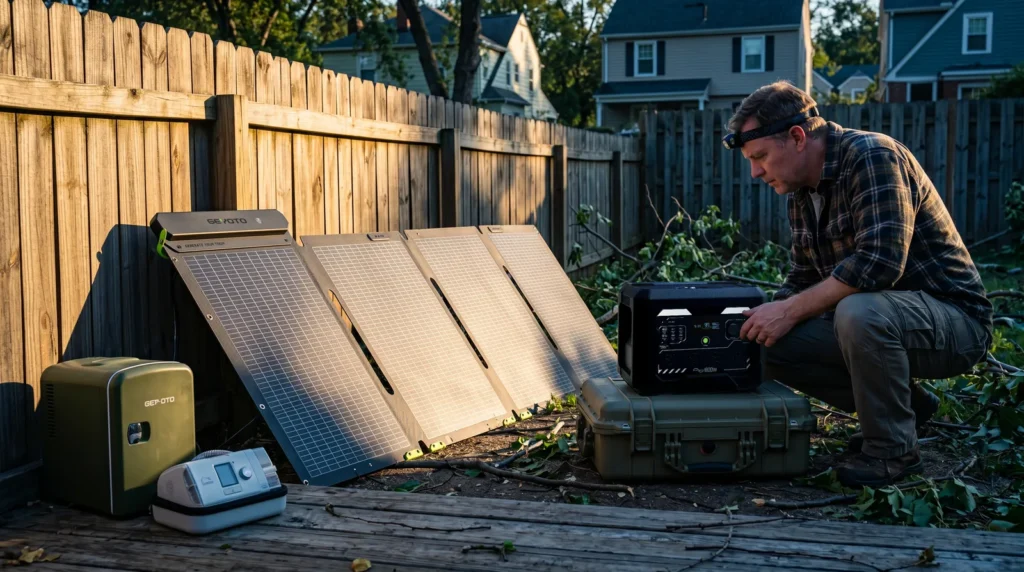
Portable power stations are also becoming popular. These compact systems are easy to move and can power essential appliances during emergencies. They are especially useful for small homes or temporary backup needs.
How to Choose the Right Backup Power Solution
Selecting the right system depends on several factors including energy consumption, budget, and location. The first step is to assess your household’s power usage. This helps determine the size of the battery and the capacity of the inverter required.
Next, consider whether solar integration is suitable for your home. If you live in an area with strong sunlight, solar-powered home backup power solutions can offer significant long-term benefits.
Budget is another important factor. While advanced systems may have higher upfront costs, they provide better savings and efficiency over time. It is also important to consider installation and maintenance requirements.
Lastly, think about future scalability. Choosing a system that can be expanded later allows homeowners to upgrade their energy setup as their needs grow.
Smart Technology and Energy Management
Modern home backup power solutions are increasingly integrated with smart technology. Mobile apps and digital monitoring systems allow homeowners to track energy usage in real time. This helps optimize consumption and improve efficiency.
Smart systems can automatically prioritize essential appliances during outages, ensuring that critical devices like medical equipment, refrigerators, and communication tools remain powered. Some systems even allow remote control, giving users full control over their home energy from anywhere.
Artificial intelligence is also being used to predict energy usage patterns and optimize charging cycles. This ensures that stored energy is used in the most efficient way possible.
Future of Home Backup Power Solutions
The future of home energy systems is moving toward complete decentralization. Homes are becoming mini power stations capable of generating, storing, and even sharing electricity with the grid. This trend is driven by advancements in battery technology, renewable energy, and smart grids.
In the coming years, home backup power solutions are expected to become more affordable, compact, and efficient. New battery technologies such as solid-state batteries may further increase storage capacity and safety.
As climate change and energy demands continue to grow, the importance of reliable backup systems will only increase. More households will adopt renewable-based solutions to ensure long-term energy security.
Conclusion
Advanced home backup power solutions have transformed the way households manage electricity. They provide reliability, independence, and sustainability in a world where power disruptions are becoming more common. From battery storage systems to solar-powered hybrids, these technologies offer flexible options for every type of home.
By investing in the right system, homeowners can secure uninterrupted power, reduce long-term costs, and contribute to a greener future. As technology continues to evolve, energy independence is no longer just a concept but a practical reality for modern living.
