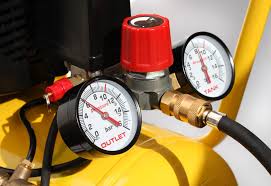

When it comes to heavy-duty industrial work, construction sites, or remote operations, diesel air compressors are often the preferred choice due to their durability and power. However, one of the key considerations for businesses and professionals is diesel air compressor fuel efficiency. Selecting a model that delivers high performance while consuming less fuel can significantly reduce operational costs and environmental impact. This article explores how to compare diesel air compressors to find the most fuel-efficient option for your needs.
Understanding Diesel Air Compressors
Diesel air compressors are machines that use diesel engines to generate compressed air for various applications. Unlike electric compressors, diesel models are ideal for situations where electricity is not readily available or where mobility is a priority. They power tools such as jackhammers, sandblasters, and pneumatic wrenches, making them indispensable on construction sites, mining operations, and other heavy-duty settings.
One critical factor that distinguishes diesel air compressors from their electric counterparts is fuel consumption. While the initial investment in a diesel model might be higher, long-term savings on fuel can make them more economical if chosen wisely. This is why diesel air compressor fuel efficiency should be a top priority when selecting a unit.
Factors Affecting Fuel Efficiency
Several factors impact the fuel efficiency of a diesel air compressor. Understanding these can help you make a more informed choice:
Engine Size and Type: Larger engines tend to consume more fuel but may provide higher power output. Modern diesel engines with advanced technology, such as electronic fuel injection, can optimize fuel usage and enhance efficiency.
Compressor Type: There are primarily two types of compressors—reciprocating and rotary screw. Rotary screw compressors generally offer better fuel efficiency for continuous operation, while reciprocating compressors are suitable for intermittent use.
Load Factor: Fuel efficiency is influenced by how consistently the compressor operates near its rated capacity. Running a diesel air compressor at a lower load than its designed capacity can lead to higher fuel consumption per unit of air delivered.
Maintenance and Condition: A well-maintained compressor runs more efficiently. Dirty filters, worn components, or low-quality oil can reduce engine efficiency and increase fuel consumption.
Comparing Fuel Consumption Rates
When searching for a fuel-efficient diesel air compressor, it is crucial to examine the specifications provided by manufacturers. Key metrics include liters per hour (L/h) fuel consumption, compressed air output (CFM or m³/min), and engine power. By comparing these metrics, you can identify which models deliver more air for less fuel.
For instance, a compressor that consumes 8 L/h while producing 100 CFM is more efficient than one consuming 10 L/h for the same output. Efficiency ratings may vary depending on engine load and operational conditions, so always consider real-world usage scenarios rather than just theoretical specifications.
Portable vs. Stationary Models
Diesel air compressors come in both portable and stationary designs, and fuel efficiency can differ between these types. Portable models are designed for mobility and often include compact engines optimized for fuel savings. However, smaller engines may struggle to maintain consistent air output under heavy demand, potentially lowering efficiency.
Stationary models, on the other hand, are designed for continuous operation and can utilize larger, more advanced engines that offer better diesel air compressor fuel efficiency over long periods. Choosing between portable and stationary models depends on your operational needs and whether you prioritize mobility or sustained performance.
Technological Innovations for Efficiency
Modern diesel air compressors incorporate several innovations to enhance fuel efficiency. These include:
Variable Speed Drives: Compressors with variable speed drives adjust engine speed based on air demand. This prevents unnecessary fuel consumption when the load is low and ensures optimal efficiency during peak operation.
Eco-Mode Features: Some diesel compressors have eco-mode functionality that reduces engine speed or shuts off the engine when the compressor is idle. This not only saves fuel but also extends engine life.
Advanced Cooling Systems: Efficient cooling reduces engine stress and prevents overheating, allowing the compressor to maintain optimal performance without consuming extra fuel.
Energy Recovery Systems: Certain models can capture and reuse waste heat from the engine, improving overall energy efficiency and reducing fuel costs.
Evaluating Total Cost of Ownership
While fuel efficiency is essential, it should be considered alongside other factors that affect the total cost of ownership. A fuel-efficient compressor with low maintenance costs, long lifespan, and durable components will provide the best long-term value. It is important to calculate the expected fuel expenses over the compressor’s operational life and weigh them against purchase price and maintenance costs.
For businesses operating multiple compressors or running them for extended hours, even small differences in diesel air compressor fuel efficiency can translate into substantial savings. Comparing fuel consumption, air output, and engine efficiency across different models is a critical step in determining the best choice.
Tips for Maximizing Fuel Efficiency
Once you select a diesel air compressor, there are several ways to ensure it runs efficiently:
Regular Maintenance: Keep filters, oils, and components in top condition. Regular servicing prevents fuel wastage caused by clogged filters or worn parts.
Monitor Load Levels: Operate the compressor near its rated load for optimal fuel consumption. Avoid running oversized compressors at minimal loads whenever possible.
Use Fuel Quality Recommended by Manufacturer: Low-quality fuel can reduce engine efficiency and increase consumption. Always adhere to the manufacturer’s specifications.
Idle Management: Minimize idle time and utilize eco-mode features to reduce unnecessary fuel use when the compressor is not actively generating air.
Check for Leaks: Air leaks in hoses, connections, or tools force the compressor to work harder, consuming more fuel. Regularly inspect the system for leaks.
Conclusion
Finding the most fuel-efficient diesel air compressor requires a careful balance of engine type, compressor design, operational load, and technological features. Paying attention to diesel air compressor fuel efficiency not only helps reduce operational costs but also promotes environmental responsibility by lowering fuel consumption and emissions. By comparing specifications, considering technological innovations, and following best practices for operation and maintenance, you can select a diesel air compressor that meets your performance needs while keeping fuel usage to a minimum. Investing in efficiency today ensures both economic and practical benefits for years to come.
