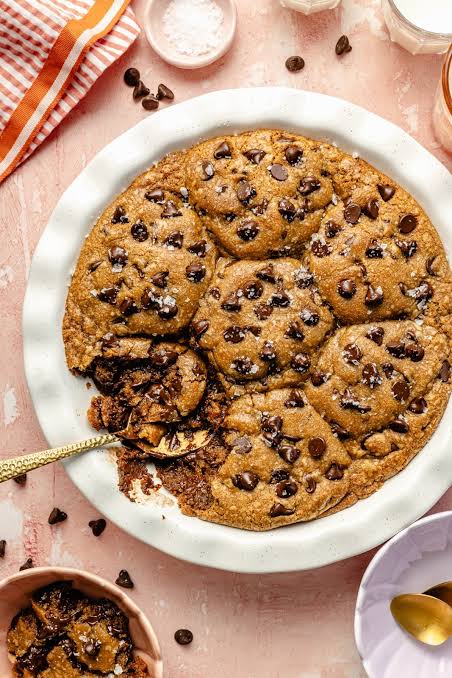

Soft and chewy cookies are a favorite treat for people of all ages. Their delicious aroma, tender centers, slightly crisp edges, and rich flavors make them perfect for afternoon snacks, family gatherings, celebrations, and special occasions. Whether you enjoy classic chocolate chip cookies, buttery vanilla cookies, or creative combinations with nuts and dried fruits, making homemade cookies can be a rewarding experience.
The secret to baking excellent cookies lies in choosing the right ingredients, understanding how they work together, and following a few simple techniques. With the right approach, you can prepare cookies that remain soft, taste delicious, and look attractive without requiring professional baking skills.
Understanding the Secret Behind Soft and Chewy Cookies
The texture of a cookie depends on several factors, including its ingredients, mixing method, baking temperature, and cooking time. Soft cookies generally contain enough moisture to keep their centers tender, while chewy cookies often benefit from ingredients that create a slightly dense texture.
Brown sugar is particularly useful because it contains molasses, which contributes moisture, sweetness, and a deeper flavor. White sugar helps cookies spread and can create crisp edges. Combining both sugars can produce a balanced texture with a soft center and lightly golden exterior.
Butter also plays an important role. It adds richness and contributes to the flavor and structure of the dough. Using softened butter makes it easier to combine ingredients evenly, although melted butter can also be used in recipes designed for a denser, chewier result.
Another important factor is baking time. Cookies continue to set as they cool, so removing them from the oven when their centers still look slightly soft can help prevent dryness.
Essential Ingredients for Delicious Homemade Cookies
Before beginning, gather all the necessary ingredients. Measuring everything accurately helps create consistent results and makes the baking process easier.
All-Purpose Flour
All-purpose flour provides the structure that allows cookies to hold their shape. Too much flour can make cookies dry, thick, and crumbly. For accurate measurements, gently spoon flour into a measuring cup and level the top rather than packing it tightly.
Butter
Butter contributes a rich taste and tender texture. Unsalted butter is a useful choice because it allows you to control the amount of salt in the recipe. If the butter is too warm, the dough may spread excessively during baking.
Brown and White Sugar
A combination of brown and white sugar helps create cookies with chewy centers and lightly crisp edges. Brown sugar provides moisture and a caramel-like flavor, while white sugar contributes sweetness and helps with browning.
Eggs
Eggs bind the ingredients together and add moisture. They also help give cookies structure. Using an egg at room temperature can make it easier to incorporate into the butter and sugar mixture.
Baking Soda and Salt
Baking soda helps cookies spread and develop a golden color. Salt balances sweetness and enhances the other flavors. Although these ingredients are used in small quantities, they can significantly influence the final result.
Flavor Enhancers
Vanilla extract is a classic addition that creates a warm, inviting aroma. Chocolate chips, cinnamon, chopped nuts, coconut, and dried fruit can provide additional flavor and texture.
A Simple Recipe for Soft and Chewy Cookies
This easy recipe is suitable for beginner bakers and can be customized with different additions.
Ingredients
- 2 cups all-purpose flour
- 1/2 cup unsalted butter, softened
- 3/4 cup brown sugar
- 1/4 cup white sugar
- 1 large egg
- 2 teaspoons vanilla extract
- 1/2 teaspoon baking soda
- 1/2 teaspoon salt
- 1 cup chocolate chips
Preparation Method
Step 1: Prepare the oven.
Preheat the oven to 175°C (350°F). Line a baking tray with parchment paper to prevent sticking and make cleanup easier.
Step 2: Mix the butter and sugars.
Place the softened butter, brown sugar, and white sugar in a large mixing bowl. Beat them until the mixture becomes smooth and creamy. This process helps distribute the ingredients evenly.
Step 3: Add the egg and vanilla.
Add the egg and vanilla extract to the butter mixture. Mix until everything is combined. Avoid excessive mixing once the wet ingredients have come together.
Step 4: Combine the dry ingredients.
In a separate bowl, mix the flour, baking soda, and salt. Gradually add these dry ingredients to the wet mixture. Stir gently until a soft dough forms.
Step 5: Add the chocolate chips.
Fold the chocolate chips into the dough. Make sure they are distributed throughout the mixture so that each cookie contains plenty of chocolate.
Step 6: Shape the cookies.
Scoop the dough into small, evenly sized portions and place them on the prepared baking tray. Leave enough space between each portion because the cookies will spread during baking.
Step 7: Bake until lightly golden.
Bake for approximately 9–12 minutes, checking their appearance near the end of the baking time. The edges should look set, while the centers may remain slightly soft. Baking time can vary depending on cookie size and the oven.
Step 8: Allow the cookies to cool.
Leave the cookies on the baking tray for about five minutes before transferring them to a cooling rack. They will continue to firm up as they cool, helping preserve their soft and chewy centers.
Tips for Achieving the Perfect Cookie Texture
Small adjustments can make a noticeable difference in the quality of homemade cookies.
Avoid Adding Too Much Flour
Excess flour is one of the common reasons cookies become dry or hard. Measuring carefully helps maintain the correct balance between dry and wet ingredients. If the dough seems unusually stiff, check whether the flour was measured accurately before making any changes.
Chill the Dough When Necessary
Refrigerating cookie dough for 30 minutes to an hour can help control spreading and improve flavor. Chilled dough is easier to handle and may produce thicker cookies. This step is especially useful when the kitchen is warm or the dough feels very soft.
Do Not Overbake
Cookies can lose their soft texture when left in the oven for too long. Look for lightly golden edges rather than waiting for the entire cookie to become deeply browned. Remember that the centers continue to set after the tray is removed from the oven.
Mix Gently After Adding Flour
Once flour enters the mixture, stir only until the ingredients are combined. Excessive mixing can develop more gluten, potentially creating a tougher texture. Gentle mixing helps produce tender cookies.
Keep Cookie Sizes Consistent
Using a spoon or cookie scoop helps ensure that the portions are similar in size. Consistent portions bake more evenly, reducing the chance that some cookies become dry while others remain underbaked.
Exploring Delicious Cookie Flavors
One of the best things about homemade cookies is the opportunity to experiment with different flavors. A basic dough can become the foundation for numerous creative recipes.
Classic Chocolate Chip Cookies
Chocolate chip cookies remain popular because they combine buttery dough with sweet chocolate. Dark, milk, or semi-sweet chocolate chips can be used depending on your preferred taste. A small pinch of flaky salt on top can balance the sweetness and create a more sophisticated flavor.
Double Chocolate Cookies
For chocolate lovers, adding cocoa powder and chocolate chips creates a rich, chocolate-forward cookie. The cocoa powder should replace some of the flour rather than simply being added in large quantities, because it changes the moisture balance of the dough.
Cinnamon Sugar Cookies
Cinnamon adds warmth and fragrance to simple cookie dough. Rolling the dough portions in cinnamon sugar before baking creates a sweet exterior with a gentle spice flavor. These cookies are particularly enjoyable with tea, coffee, or a glass of milk.
Peanut Butter Cookies
Peanut butter provides a creamy texture and nutty flavor. It pairs well with chocolate chips or chopped peanuts. Because peanut butter changes the fat and moisture balance, it is best to use a recipe designed for peanut butter cookies rather than adding large quantities to a basic dough.
Oatmeal and Raisin Cookies
Oats give cookies a hearty texture, while raisins contribute natural sweetness. Cinnamon and vanilla complement these ingredients beautifully. For a softer result, avoid adding too many oats, which can make the dough dry.
Coconut and Vanilla Cookies
Desiccated coconut adds a pleasant texture and distinctive flavor. Combined with vanilla, it creates a simple but delicious variation. Lightly toasted coconut can provide an even deeper aroma, provided it is cooled before being mixed into the dough.
Common Cookie-Baking Mistakes to Avoid
Even a simple recipe can produce disappointing results if a few important details are overlooked.
One common mistake is using butter that is too warm. Very soft or partially melted butter can cause cookies to spread too much, creating thin results. Allowing the dough to chill can help when this happens.
Another problem is placing cookie dough on a hot baking tray. If the tray is still warm from a previous batch, the dough may begin spreading before it reaches the oven. Let the tray cool between batches for more consistent cookies.
Using expired baking soda can also affect the results. Check the freshness of your ingredients, especially if they have been stored for a long time.
Finally, avoid moving cookies immediately after baking. Freshly baked cookies are delicate, and allowing them to rest briefly helps them hold their shape.
How to Store Homemade Cookies
Proper storage helps preserve the flavor and texture of your cookies after baking.
Once the cookies have cooled completely, place them in an airtight container. Keep the container in a cool, dry place away from direct sunlight. Depending on the recipe and storage conditions, many homemade cookies remain enjoyable for several days.
If you want to prepare cookies ahead of time, freezing the dough is a convenient option. Shape the dough into individual portions, freeze them on a tray, and transfer the firm portions to a freezer-safe container. Label the container with the preparation date and baking instructions.
Baked cookies can also be frozen in an airtight container. Separate layers with parchment paper to prevent sticking. Allow them to thaw at room temperature before serving.
Always check for changes in smell, appearance, or texture before eating stored baked goods, and follow appropriate food-storage practices.
Serving Ideas for Every Occasion
Soft and chewy cookies can be served in many ways. Arrange them on a decorative plate for birthday parties, offer them as an afternoon snack, or include them in homemade gift boxes for friends and family.
For a simple dessert, serve warm cookies with a glass of milk or a cup of tea. Cookies can also accompany ice cream, fresh fruit, or a dessert platter featuring several varieties.
During holidays and celebrations, use cookie cutters where suitable, add colorful decorations, or package assorted flavors in small gift bags. A combination of chocolate chip, cinnamon, and coconut cookies provides variety without requiring several complicated recipes.
For gatherings, consider labeling cookies that contain common allergens such as nuts, dairy, eggs, or wheat. This small detail can help guests make informed choices.
Conclusion
Making soft and chewy cookies with delicious flavors is easier when you understand the relationship between ingredients, mixing techniques, and baking time. Brown sugar, butter, accurate flour measurements, gentle mixing, and careful baking all contribute to a satisfying texture.
Starting with a dependable recipe gives you the freedom to explore chocolate, cinnamon, peanut butter, coconut, oats, and many other flavors. You can also adjust the size, shape, and presentation to suit different occasions.
The most important lesson is to pay attention to the dough and avoid overbaking. With practice, patience, and a little creativity, you can prepare homemade cookies that are flavorful, tender, and enjoyable to share with family and friends.
