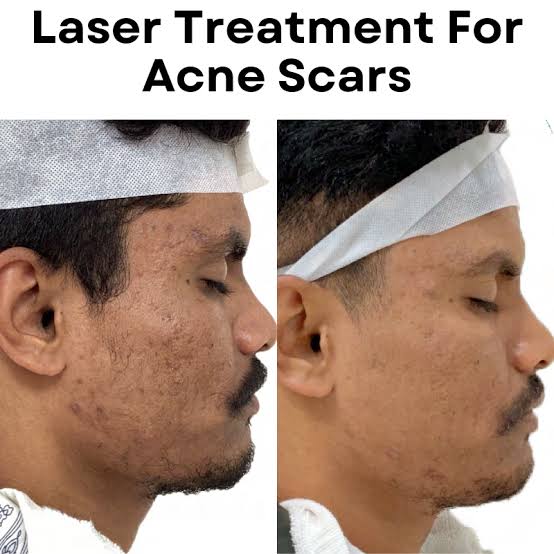

Scars are a natural part of the skin’s healing process, but they can sometimes remain visible long after an injury, surgery, acne breakout, or other skin condition Laser Scar Removal has healed. Laser Scar Removal is a popular cosmetic treatment designed to improve the appearance and texture of certain types of scars. While laser treatment cannot always erase a scar completely, it can help make scars less noticeable and create a smoother, more even-looking skin surface.
Understanding what happens during and after treatment can help you prepare for the procedure and know what to expect during the healing process.
What Is Laser Scar Removal?
Laser Scar Removal uses focused light energy to treat scarred skin. Depending on the type of laser used, treatment may remove damaged outer skin layers, stimulate collagen production, or target deeper areas of scar tissue. The specific approach depends on factors such as the scar’s type, depth, location, age, and your individual skin characteristics.
Different laser technologies may be used for different concerns. Some treatments are ablative, meaning they remove portions of the skin’s surface, while non-ablative lasers work beneath the surface without removing as much outer skin. A qualified dermatologist or laser treatment professional can determine which approach is appropriate.
Preparing for Your Treatment
Before Laser Scar Removal, you will usually have a consultation. During this appointment, the treatment provider examines the scar and discusses your medical and skin history. They may ask about previous treatments, medications, allergies, skin conditions, and how easily your skin tends to develop pigmentation changes or scars.
You should follow the provider’s preparation instructions carefully. Depending on the treatment, you may be advised to avoid excessive sun exposure and certain skincare products before the procedure. Do not make changes to prescription medications unless your healthcare professional tells you to do so.
The provider may also explain possible side effects, expected recovery time, and how many sessions might be needed. Having realistic expectations is important because results vary from person to person.
What Happens During Laser Scar Removal?
On the day of treatment, the skin is cleaned to remove makeup, oils, and skincare products. Depending on the laser and the area being treated, a topical numbing cream or another form of local anesthesia may be used to improve comfort.
During the procedure, the laser device is moved carefully over the scarred area. You may feel warmth, mild stinging, or a snapping sensation depending on the type of laser being used. Treatment time can vary from a few minutes to longer sessions depending on the size and number of scars.
Protective eyewear is generally used during laser procedures to protect the eyes from the laser light. The treatment provider controls the laser settings based on the scar and your skin characteristics.
After treatment, the skin may appear red or swollen. Some people experience a warm or sunburn-like sensation for a short period. These effects can vary depending on the intensity and type of laser used.
What to Expect Immediately After Treatment
The treated area may look different immediately after the procedure. Redness, mild swelling, sensitivity, or temporary changes in skin texture can occur. With some laser treatments, the skin may become dry or develop mild crusting as it heals.
Your provider will give you aftercare instructions specific to the procedure. Following these instructions is important because freshly treated skin can be more sensitive than usual.
You may be advised to use recommended moisturizers or protective products and avoid irritating skincare ingredients until the skin has recovered. Avoid picking, scratching, or peeling the treated area, even if it feels dry or flaky. Allowing the skin to heal naturally can reduce the risk of irritation and complications.
The Healing and Recovery Period
Recovery time depends heavily on the type of laser treatment. Non-ablative treatments often have relatively little downtime, while stronger ablative treatments may require a longer recovery period.
During healing, redness and sensitivity gradually improve. Some people may notice temporary dryness, peeling, or changes in skin color. These effects generally improve as the skin recovers, but the exact timeline differs between individuals.
Sun protection is especially important after laser treatment. Newly treated skin can be more vulnerable to sunlight, which may increase the risk of pigmentation changes. Follow your provider’s recommendations for sunscreen, clothing, and avoiding unnecessary sun exposure.
It is also important to avoid introducing new or potentially irritating skincare products without professional guidance during the early recovery period.
When Will You See Results?
Laser Scar Removal usually does not produce a completely finished result immediately. The skin needs time to heal and, in some treatments, produce new collagen.
Some changes may become noticeable as the initial redness and swelling decrease, but improvements can continue gradually over several weeks or months. The number of treatments required depends on the scar and the selected laser technique.
Deeper or more noticeable scars may require multiple sessions. Your provider can discuss an individualized treatment schedule and explain what degree of improvement may realistically be expected.
Possible Side Effects and Risks
Laser treatment is generally considered safe when performed appropriately, but it can have side effects. Temporary redness, swelling, tenderness, dryness, and skin sensitivity are possible.
Some people may experience temporary changes in pigmentation. There can also be a risk of infection, prolonged irritation, burns, or scarring, particularly with stronger treatments or when aftercare instructions are not followed.
People with certain skin conditions or a history of unusual scarring may require additional evaluation before treatment. Discuss your complete skin and medical history with a qualified professional before undergoing laser treatment.
How to Support Better Results
Good aftercare can play an important role in recovery. Keep the treated area clean and follow the instructions provided by your healthcare professional. Protect your skin from direct sunlight and avoid unnecessary irritation.
Do not rush back into intensive skincare routines. Products containing strong exfoliating ingredients or other potentially irritating substances may need to be avoided temporarily. Your provider can tell you when it is appropriate to resume your normal routine.
Keeping follow-up appointments is also helpful. These visits allow the provider to evaluate how your skin is healing and determine whether additional treatment is appropriate.
Is Laser Scar Removal Right for You?
Laser Scar Removal can be an effective option for improving the appearance of certain scars, but it is not suitable for everyone or every type of scar. The best treatment depends on the scar’s characteristics and your individual skin.
A consultation with a qualified dermatologist or appropriately trained medical professional is the best way to determine whether laser treatment is suitable for you. They can explain the potential benefits, limitations, recovery period, and possible risks.
Final Thoughts
Knowing what to expect during and after Laser Scar Removal can make the treatment process easier to understand. The procedure itself may be relatively quick, but the skin often needs time to recover and produce visible improvements. Proper preparation, careful aftercare, sun protection, and realistic expectations are important parts of the process.
Although laser treatment may not completely remove a scar, it can potentially improve its texture, color, and overall appearance. Always discuss your goals and concerns with a qualified professional before beginning treatment so you can choose an approach that is appropriate for your skin.