
Introduction
As electricity costs continue to rise and homeowners look for cleaner energy solutions, solar power is becoming increasingly practical for everyday homes. While Balcony Solar Energy System traditional rooftop solar installations can require significant space, investment, and structural planning, a Balcony Solar Energy System offers a more accessible option for people living in apartments, condominiums, and smaller homes. These compact solar setups can use available balcony space to generate electricity and support selected household energy needs.
A Balcony Solar Energy System typically combines solar panels, an inverter, mounting equipment, and electrical connections. Depending on the system design and local regulations, the generated electricity can be used directly by household appliances or stored in a battery for later use. This approach allows residents to make better use of renewable energy without requiring a large rooftop installation.
What Is a Balcony Solar Energy System?
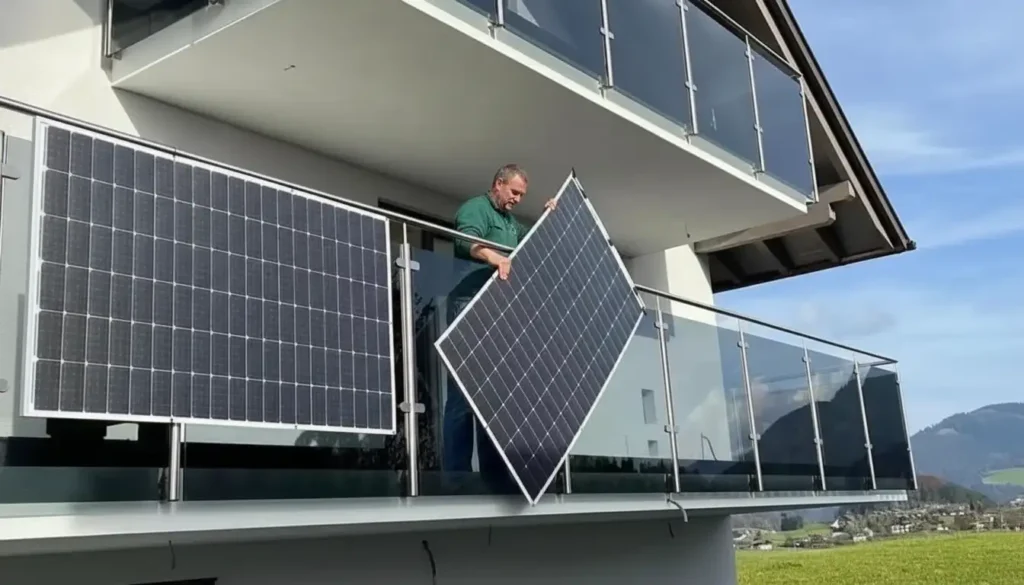
A Balcony Solar Energy System is a compact photovoltaic solution designed for installation on or around a residential balcony. Instead of covering an entire roof with solar modules, the system uses a limited number of panels positioned to receive sunlight.
The solar panels convert sunlight into direct current electricity. An inverter then converts this electricity into alternating current suitable for household use. Some systems can also include batteries, allowing excess solar energy to be stored and used when sunlight is unavailable.
The exact configuration depends on the available balcony area, sunlight exposure, electrical setup, and local requirements. Because these systems are relatively compact, they can be particularly useful for apartment residents who cannot install conventional rooftop solar.
Supporting Everyday Home Electricity Use
One of the main advantages of a Balcony Solar Energy System is its ability to contribute to everyday electricity consumption. The electricity produced during sunny periods can help power household devices such as lights, routers, computers, televisions, fans, and other suitable appliances.
Although a balcony system may not produce enough electricity to operate every appliance in a large home, it can reduce the amount of electricity that must be purchased from the grid. Even a modest contribution can be valuable when the system operates consistently throughout the year.
For example, electricity generated during daylight hours can offset some of the energy used by appliances that are operating at the same time. This makes the system particularly useful for households with daytime electricity consumption.
Reducing Dependence on Grid Electricity
Most homes remain connected to the electrical grid, even when renewable energy systems are installed. A Balcony Solar Energy System does not necessarily need to replace grid electricity completely. Instead, it can work alongside the existing supply.
When solar production is available, household electricity demand can partly be supported by the generated power. When solar production decreases because of clouds, evening hours, or other conditions, the home can continue using electricity from the grid or an appropriately configured battery system.
This combination creates a flexible energy arrangement. Homeowners can gradually increase their use of renewable electricity without making a complete change to their existing electrical infrastructure.
Making Better Use of Limited Space
Space is a major challenge for apartment residents. Many people do not have access to a private roof or enough outdoor land for a traditional solar installation. A balcony, however, can provide a practical area for smaller solar panels.
The available surface should be assessed before installation. Panel orientation, sunlight exposure, shading from nearby buildings, railings, trees, and other structures can all influence electricity production.
A well-positioned Balcony Solar Energy System can make productive use of otherwise unused space. However, the system should be installed securely and according to applicable building, electrical, and safety requirements.
Combining Solar Panels With Battery Storage
Battery storage can make a balcony solar system more flexible. Without storage, solar electricity is generally most useful when the panels are producing power. With a suitable battery, some excess energy can be stored and used later.
For instance, electricity generated during the afternoon could potentially be stored and used during the evening when household energy demand increases. This can improve the usefulness of the solar installation and help households make better use of the electricity they generate.
Battery capacity should be selected according to the household’s energy requirements and the solar system’s expected production. A properly designed setup can balance generation, storage, and consumption more effectively.
Supporting Energy Efficiency
Solar generation works best when it is combined with energy-efficient habits. A Balcony Solar Energy System can encourage homeowners to pay closer attention to when and how electricity is being used.
Running suitable appliances during sunny periods can help households consume more of their solar-generated electricity directly. Switching to efficient lighting, reducing unnecessary standby consumption, and choosing energy-efficient appliances can further reduce overall electricity demand.
This combination of renewable generation and responsible energy use can provide greater benefits than relying on solar generation alone.
Environmental Benefits
Solar energy is a renewable source of electricity that does not require fuel to generate power during operation. By producing some household electricity from sunlight, a Balcony Solar Energy System can reduce reliance on electricity generated from conventional energy sources, depending on the local electricity mix.
For environmentally conscious households, balcony solar provides an opportunity to participate in renewable energy generation even when a large solar installation is not practical. Expanding small-scale solar adoption across apartment buildings and urban areas can contribute to broader renewable energy use.
Important Factors Before Installation
Before installing a Balcony Solar Energy System, homeowners and tenants should evaluate several factors. First, the balcony should receive sufficient sunlight for meaningful solar production. Excessive shade can significantly reduce the system’s output.
Second, the mounting structure must be secure and appropriate for the balcony. Panels should not create hazards for residents, neighbors, pedestrians, or surrounding property.
Third, electrical compatibility should be considered. Inverters, cables, outlets, batteries, and other components should be selected and installed according to applicable standards. Local building rules, landlord requirements, utility regulations, and electrical regulations may also apply.
Professional guidance can help ensure that the system is suitable for the property and installed correctly.
How to Maximize Solar Performance
Getting the best results from a Balcony Solar Energy System starts with careful positioning. Panels should receive as much direct sunlight as possible while avoiding unnecessary shading. Regularly checking the panels for dirt, dust, or obstructions can also help maintain performance.
Energy consumption should also be considered. Using suitable appliances while solar production is high can increase direct use of generated electricity. If the system includes battery storage, users can plan energy consumption around the available stored power.
Monitoring tools can provide useful information about electricity generation and consumption. By reviewing this information, homeowners can identify patterns and make better decisions about their energy use.
A Practical Renewable Energy Option for Urban Homes
Urban housing does not always provide the space needed for conventional solar installations. A Balcony Solar Energy System can help bridge this gap by providing a smaller-scale renewable energy option for apartments and compact homes.
Its greatest value is not necessarily in replacing every source of household electricity. Instead, it can provide a practical way to generate additional renewable power, reduce some grid consumption, improve energy awareness, and make use of available balcony space.
As solar technology continues to become more accessible, compact systems may become increasingly useful for urban households. With appropriate planning, safe installation, and realistic expectations about electricity production, balcony solar can become a valuable part of a home’s overall energy strategy.
Conclusion
A Balcony Solar Energy System can support home energy needs by generating clean electricity within a limited residential space. It can help power everyday devices, reduce dependence on grid electricity, work with battery storage, and encourage more efficient energy consumption.
For apartment residents and homeowners without suitable rooftop space, balcony solar provides an alternative way to participate in renewable energy generation. Its effectiveness depends on factors such as sunlight exposure, system capacity, installation quality, and household electricity usage. When these factors are carefully considered, a Balcony Solar Energy System can become a practical and flexible addition to a modern home’s energy setup.
